Acne and Nordlys studies sharpen clinic evidence work
AI-assisted briefJul 2, 2026/4 min read
Two fresh skin-science signals point to a higher evidence bar for aesthetic clinics: measurable acne response, molecular aging claims, and tighter consultation records.
Share this report
Send it to a colleague or save the link for later.
Clinical skin claims are moving toward measurable evidence, not just before-and-after language.
Free-tier report
This is the public read. The company intelligence brief goes further.
The public compatibility offer for the $299 Company tearsheet in Report Studio. Wider market, product, talent, and custom questions use the typed report catalog.
$299
one report
One-company operating brief with the decision question and next actions
Company, hiring, and published market context where evidence exists
Source notes, caveats, and a plain-method note for major claims
Private report delivery through the owner-scoped workflow
Scope is confirmed and sources are reviewed before anything is charged.
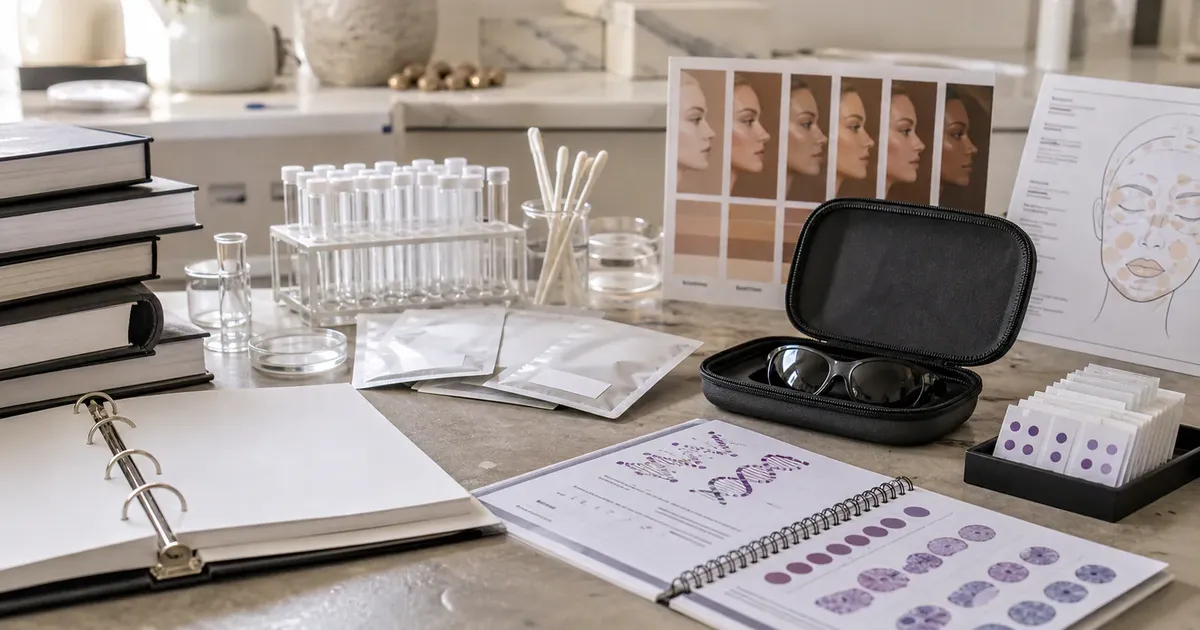
New acne and fractional laser research is pushing aesthetic clinics toward a stricter evidence standard: operators need to explain what was measured, what was not promised, and how each claim should be handled inside the consultation room.
What happened
Two skin-science signals landed in the same operator lane. The first, published by the Journal of Drugs in Dermatology, evaluated a retinol plus site-specific salicylic acid delivery system in 40 Fitzpatrick skin type I-VI patients with moderate-to-severe acne over 12 weeks. The paper reported improvement across investigator grading, imaging, microbiome analysis, and patient self-assessments, including reduced inflamed pustules and nodules by week 12, improvement in post-inflammatory hyperpigmentation, lower Cutibacterium acnes levels, and tolerability findings.
The second signal came from Plastic Surgery Practice's coverage of research on Candela's Nordlys 1940 nm non-ablative fractional laser. That report described a split-face study of 22 adults in which researchers profiled DNA methylation over nine months. The coverage said the treatment shifted markers associated with skin aging at many responsive sites, with visible improvements measured through imaging and molecular pathways tied to epidermal differentiation, collagen regeneration, and barrier integrity.
The common thread is not acne versus aging, or topical care versus device care. It is the way skin treatments are being presented: with more endpoint language, more biological mechanism language, and more need for careful translation.
Why it matters for operators
For medspas, dermatology-adjacent clinics, aesthetics practices, and serious beauty retailers, the operational takeaway is immediate. Research-heavy service categories are no longer supported by simple before-and-after storytelling. A provider may be able to discuss visible texture, pigmentation, acne lesion counts, or treatment tolerance, but the client-facing explanation has to stay anchored to the study's actual design and limits.
Related on SOCELLE
The live market connected to this report.
From the analysis into the live market — the roles hiring now and the companies active in Medspa, straight from the SOCELLE board.
Prepared with AI assistance by the SOCELLE Intelligence Desk from the publications cited in this report.
SOCELLE publishes market & industry information, not medical, clinical, or professional advice. Always consult a qualified professional before making health, treatment, or business decisions.
Bruce Tyndall— Analyst of Record. 13+ years in beauty and wellness marketing leadership — Estée Lauder, Wella, Kevin Murphy, Naturopathica. Principal Consultant. LinkedIn.
The intelligence digest
More reads like this, once a week
SOCELLE Intelligence Desk analysis delivered quietly every Monday — the signals that moved, the market reads worth holding, the moves other operators are making.
Free. No spam. Unsubscribe anytime. We use your details per our Privacy Policy and never sell them.
That changes staff training first. Front-desk teams, coordinators, aestheticians, injectors, laser technicians, and medical directors should not be working from different language. If one team member says a treatment affects aging biology while another promises cosmetic correction, the clinic has a claims-control problem. The better operating model is a shared evidence sheet: who studied the intervention, in what population, over what time frame, with which endpoints, and what the clinic will not claim.
It also changes consultation documentation. The acne paper's value for operators is not a script telling clients what to use. It is a reminder that clients increasingly expect evidence across multiple dimensions: visible response, skin tone relevance, post-inflammatory hyperpigmentation, microbiome signals, comfort, and follow-up timing. Clinics should be prepared to document baseline concern, treatment rationale, contraindication screening, product or device provenance, education delivered, and the follow-up cadence. That is operational discipline, not medical advice.
The laser signal raises a different risk. Molecular language is persuasive, but it can drift quickly into overstatement. Terms like epigenetic signature, DNA methylation, collagen pathways, and skin cancer biology are not ordinary spa menu language. If a clinic repeats those terms, it needs a conservative explanation that makes clear the difference between published study findings and an individual client's expected result. The source may describe mechanistic research; the operator still has to sell and document a service responsibly.
Beauty brands and device partners should read this as a channel-support issue. If they want clinics to carry more sophisticated claims, they need better provider decks, contraindication prompts, client handouts, and evidence language that can survive real-world use. A glossy launch sheet is not enough. The clinic needs practical language for intake forms, FAQ pages, staff education, paid media review, and post-treatment follow-up.
This also matters commercially. Operators that can explain evidence cleanly will look more credible than those that rely on broad transformation language. The next competitive edge is not louder treatment language. It is cleaner evidence handling: cited claims, trained teams, careful expectation-setting, and visible provenance for the science behind a service.
What to watch
Watch whether acne-care brands and device makers convert these findings into updated education materials during the next product and training cycle. The market signal will be strongest if claims move from press-release language into provider certification, in-room consultation aids, and more precise service-menu copy.
Watch how clinics describe molecular skin research online. If epigenetic and biological-age language spreads without context, expect more scrutiny from clients, clinicians, and regulators. If it is handled with restraint, it can improve trust rather than inflate expectations.
Finally, watch whether platforms like `/intelligence` start treating evidence files as part of beauty operations, not just editorial background. Skin science is becoming a business process: cite the source, train the team, document the conversation, and keep the claim inside the evidence.