Beauty algorithms raise the stakes for medspa consultations
Cited sources: 4 · Updated Aug 2, 2026
Beauty tech is moving from trade-show novelty into consultation workflows, while consumer threads show how much trust still depends on clear human guidance.
Free-tier report
This is the public read. The company report goes further.
A focused $299 report on one company or organization. Broader market, product, talent, and custom questions use the report options below.
$299
one report
- One-company operating brief with the decision question and next actions
- Company, hiring, and published market context where evidence exists
- Source notes, caveats, and a plain-method note for major claims
- Private report delivery through the owner-scoped workflow
No account needed — pay securely and SOCELLE will email you to collect the brief.
Beauty algorithms are entering the aesthetics consultation at the same time consumers are publicly documenting confusion after filler, scar, and consult experiences.
What happened
Premium Beauty News reported from VivaTech that beauty companies are leaning harder into technology as a growth lane, with connected instruments, chatbots, skin diagnostics, and brand partnerships moving from novelty into the beauty operating stack. One example in the report was L'Oreal's K-scan concept for Kerastase, a small hair and scalp analysis device trained on a large library of hair images and positioned around assessment and product needs.
The same pulse cluster also surfaced three consumer discussions on Reddit's PlasticSurgery forum. One person described lingering concern after lip filler was dissolved and asked what should happen next. Another asked about options for long-standing scars while worrying about the time and cost of a low-improvement outcome. A third described frustration after a filler consultation and a conservative chin filler experience, centering the post on communication, confidence, and whether the consult matched the client's expectations.
Taken together, the signal is not simply that beauty is adding algorithms. It is that algorithmic assessment is arriving in a market where the highest-friction moments are still human: what a client thinks the service can do, what the practitioner says it can do, what gets documented, and what happens when the result feels ambiguous.
Why it matters for operators
For medspa, aesthetics, salon, and beauty-retail operators, the practical question is not whether to adopt more technology. The question is whether the consultation workflow is mature enough to absorb it.
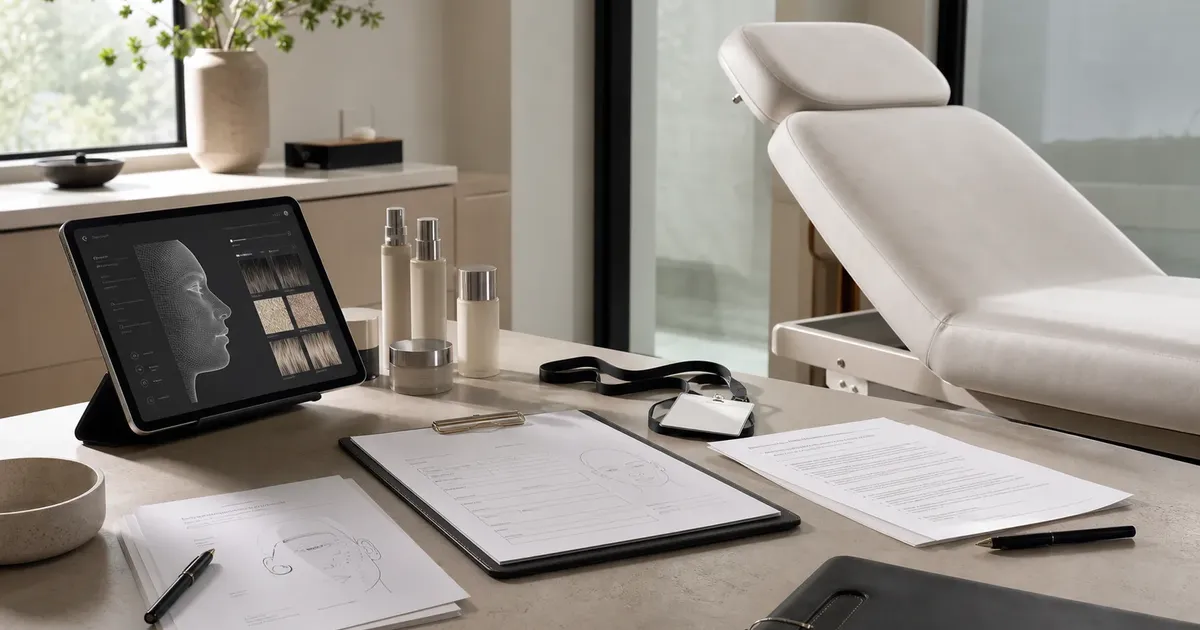
Algorithmic tools can organize observations, standardize intake, and make a consult feel more evidence-led. A scalp scan, skin analysis, or questionnaire-backed recommendation can also create a stronger handoff between retail, service, and follow-up. But these tools add a new layer of implied authority. If the client hears a confident recommendation without understanding its limits, the technology can raise expectations faster than the team can manage them.
Related on SOCELLE
The live market connected to this report.
From the analysis into the live market — the roles hiring now and the companies active in Medspa, straight from the SOCELLE board.
Hiring now
Roles in Medspa
Aesthetician
Colleyville, TX
Evidence and answers
Structured for quick review.
Key claims
- 01Beauty technology is moving into diagnostic-style consultation touchpoints.Premium Beauty News reported VivaTech examples including connected instruments, chatbots, skin diagnostics, and L'Oreal's K-scan scalp analysis concept.
- 02Consumer-side aesthetics questions are clustering around expectation gaps after consults and procedures.The top cluster included Reddit discussions about filler dissolution, scar options, and frustration after a filler consultation.
- 03Operator value sits in the workflow around the tool, not in the tool alone.SOCELLE's assessment is that consult scripts, records, consent language, and follow-up protocols determine whether beauty tech reduces or amplifies trust risk.
Continue from this signal
Connect the report to the market.
Use the topic, hiring, and company paths below to keep moving from the analysis into the public SOCELLE graph.
Sources reviewed
The intelligence digest
More reads like this, once a week
SOCELLE Intelligence Desk analysis delivered quietly every Monday — the signals that moved, the market reads worth holding, the moves other operators are making.
Free. No spam. Unsubscribe anytime. We use your details per our Privacy Policy and never sell them.