Beauty margin pressure shifts attention to owned demand and rooms
AI-assisted briefJun 24, 2026/4 min read
Cited sources: 4 · Updated Aug 2, 2026
Fresh signals from Glossier, THG, service design, and procedure-price anxiety point to a quieter beauty operating theme: margin now depends on owned demand and better consult context.
Share this report
Send it to a colleague or save the link for later.
This is the public read. The company report goes further.
A focused $299 report on one company or organization. Broader market, product, talent, and custom questions use the report options below.
$299
one report
One-company operating brief with the decision question and next actions
Company, hiring, and published market context where evidence exists
Source notes, caveats, and a plain-method note for major claims
Private report delivery through the owner-scoped workflow
No account needed — pay securely and SOCELLE will email you to collect the brief.
Beauty operators are getting the same margin message from several directions at once: demand is expensive, rooms still shape spend, skincare remains a growth engine, and clients are thinking harder about what aesthetic procedures cost.
What happened
MarTech360 revisited Glossier's growth story through email marketing, arguing that the brand's owned audience helped it scale when paid advertising became less dependable. The piece is framed as a marketing breakdown, but for beauty operators the more useful signal is economic: a direct line to customers can protect margin when acquisition costs move.
TheIndustry.beauty reported that THG reaffirmed its full-year outlook as skincare supported beauty growth. That is a different kind of signal, but it points in the same direction. Category strength still matters, especially in skincare, yet operators cannot assume growth alone solves margin pressure. Mix, retention, and inventory discipline decide how much of the demand becomes profit.
A House in the Hills published a restaurant interior design guide focused on how physical environments affect guest behavior. It is not a beauty article, but the operating lesson transfers cleanly to salons, spas, medspas, and beauty retail. Rooms shape dwell time, trust, price perception, and whether a client returns.
The cluster also included a Reddit post from a young consumer describing a desire to save for facial rejuvenation surgery. SOCELLE is not treating that post as advice or as a clinical source. It is useful as a pricing signal: aesthetic demand is not only about aspiration; it is increasingly tied to anxiety, affordability, and the way providers explain what is appropriate.
Why it matters for operators
For beauty-brand, medspa, salon, and retail operators, the shared issue is margin control. The old answer was often volume: more ads, more bookings, more product drops, more promotional moments. The current signal is narrower and more disciplined. Operators need demand they can reach directly, rooms that support conversion without overbuilding, and consult language that makes pricing feel transparent rather than improvised.
Related on SOCELLE
The live market connected to this report.
From the analysis into the live market — the roles hiring now and the companies active in Medspa, straight from the SOCELLE board.
01MarTech360 framed Glossier's growth story around email as a primary owned demand channel.Source: https://martech360.com/insights/martech-breakdowns/how-glossier-built-a-1-8b-dtc-brand-with-email-as-its-primary-growth-channel/
02TheIndustry.beauty reported that THG reaffirmed its outlook while skincare supported beauty growth.Source: https://theindustry.beauty/thg-reaffirms-outlook-as-skincare-fuels-beauty-growth/
03The cluster also included consumer anxiety about saving for facial rejuvenation, a useful signal for consult pricing and expectation-setting.Source: https://www.reddit.com/r/PlasticSurgery/comments/1ue2nj0/i_want_facial_rejuvenation_surgery_even_when_i_am/
Continue from this signal
Connect the report to the market.
Use the topic, hiring, and company paths below to keep moving from the analysis into the public SOCELLE graph.
SOCELLE Intelligence Desk analysis delivered quietly every Monday — the signals that moved, the market reads worth holding, the moves other operators are making.
Free. No spam. Unsubscribe anytime. We use your details per our Privacy Policy and never sell them.
Owned demand is the first pressure point. Email, SMS, community, loyalty, and first-party customer records are not secondary channels when paid media gets less predictable. A beauty brand with a real owned audience can test launches, segment replenishment reminders, introduce bundles, and protect repeat purchase economics. A medspa or salon can use the same logic for follow-up, seasonal service reminders, event invitations, and post-consult education. The operator question is not whether email works in the abstract. It is whether the business has permissioned data, useful segments, a consistent calendar, and offers that do not train clients to wait for discounts.
Category focus is the second pressure point. THG's skincare signal matters because skincare remains one of beauty's most durable repeat-purchase lanes. But a skincare tailwind can still hide weak operations. Operators should know which products drive repeat purchase, which services create product attachment, which bundles lift average order value without eroding trust, and which inventory is sitting because the merchandising story is unclear. Growth is useful only when the unit economics are visible.
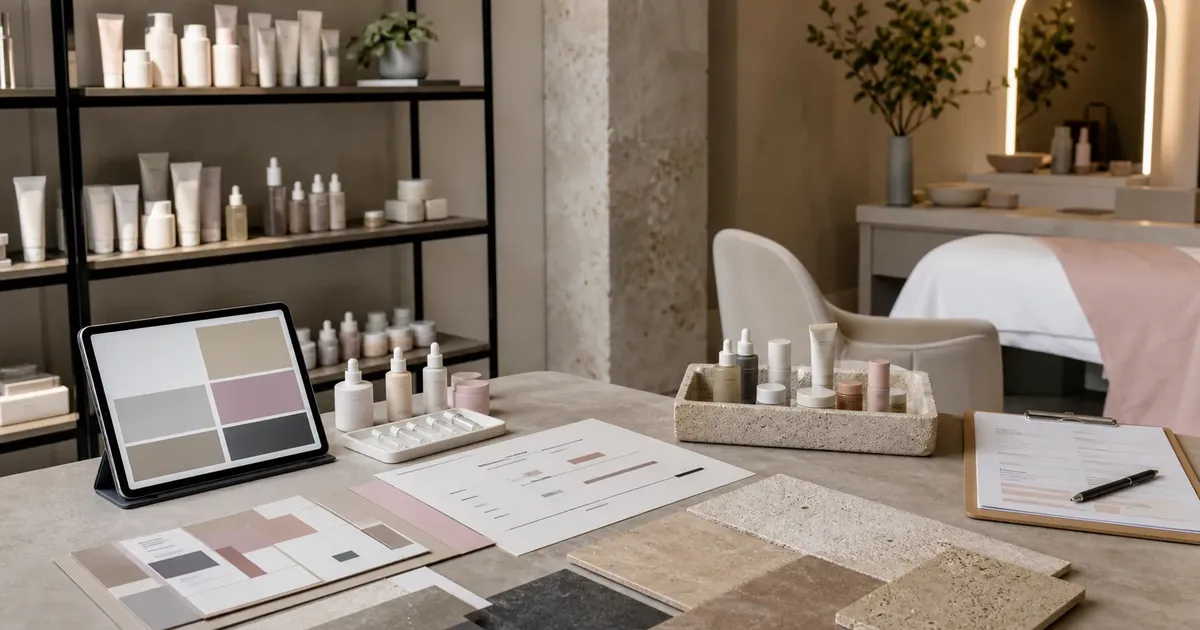
The room is the third pressure point. Restaurant design advice may sound far from beauty, but the service math is familiar. Lighting, seating, counter flow, display height, privacy, consultation surfaces, and waiting-room calm all influence how clients read price and professionalism. A medspa selling higher-consideration services needs a room that supports careful intake. A salon wants retail placed where it feels connected to the service, not stranded near checkout. A beauty retailer needs discovery without clutter. Spending more on interiors is not automatically the answer; spending against the moments that change trust and basket size is.
Consult pricing is the fourth pressure point. The Reddit signal shows how early some consumers start thinking about procedure costs and appearance concerns. Operators should not answer complex questions with casual advice in DMs or sales copy. They should build a clean intake path: what can be discussed before a consult, who reviews candidacy, how pricing ranges are explained, and when a licensed provider needs to take over. That protects the client relationship and the business.
Together, these signals argue for a practical operating review. Beauty businesses should connect marketing, merchandising, room design, and consult operations instead of treating them as separate projects. A campaign that brings in the wrong client wastes margin. A beautiful room with weak follow-up leaks retention. A strong skincare assortment without owned demand becomes dependent on rented traffic. A medspa consult without clear pricing context turns interest into hesitation.
SOCELLE's broader /intelligence (/intelligence) coverage keeps returning to this point: market information is useful only when it changes an operating decision. This cluster says the decision is margin discipline across the customer journey.
What to watch
Watch whether more beauty brands publish owned-channel case studies as paid acquisition remains uneven. Watch whether skincare retailers and brand groups keep pointing to the category as a stabilizer. Watch whether aesthetic consumers keep discussing procedure affordability in public forums.
Operators can act before the next data point arrives:
– Audit owned-channel capture across web, booking, checkout, events, and consults.
– Review email and SMS calendars for retention value, not just promotion volume.
– Map skincare services to product attachment and replenishment paths.
– Walk the room like a client and identify where price trust is built or lost.
– Rewrite consult pricing language so it sets boundaries without giving clinical advice.
The margin story is not one lever. It is the combined discipline of demand, room, category, and consult design.
Prepared with AI assistance by the SOCELLE Intelligence Desk from the publications cited in this report.
SOCELLE publishes market & industry information, not medical, clinical, or professional advice. Always consult a qualified professional before making health, treatment, or business decisions.
Bruce Tyndall— Analyst of Record. 13+ years in beauty and wellness marketing leadership — Estée Lauder, Wella, Kevin Murphy, Naturopathica. Principal Consultant. LinkedIn.