
SOCELLE Intelligence Desk
Beauty Regulation Signals Are Arriving on Multiple Fronts
From the intelligence desk
Read the wireSOCELLE Intelligence Desk
Beauty Regulation Signals Are Arriving on Multiple Fronts
SOCELLE Intelligence Desk
Claridge’s, John Lewis and Purito point to beauty’s next demand pattern

SOCELLE Intelligence Desk
DWC, iPhone 18 Pro, and Tractor Beam Show the Cost of Signal Noise
SOCELLE Intelligence Desk
Beauty Discovery Now Runs Through Visual Search and Fandom
A luxury spa residency, department-store investment, a softer makeup cue and a K-beauty ambassador push all suggest beauty demand is moving through place, trust and easier daily adoption.
Beauty demand looks increasingly place-led right now: a luxury hotel spa residency, a large-format department-store reinvestment, a softer-finish makeup signal, and a K-beauty ambassador push all landed in the same six-hour cluster. Taken together, they suggest operators should watch how beauty is being sold through environment, trust and daily-use relevance, not just through louder product claims. For teams following [SOCELLE Intelligence](/intelligence), the signal is less about one breakout item and more about a coordinated shift in how premium and mass-premium demand is being staged.
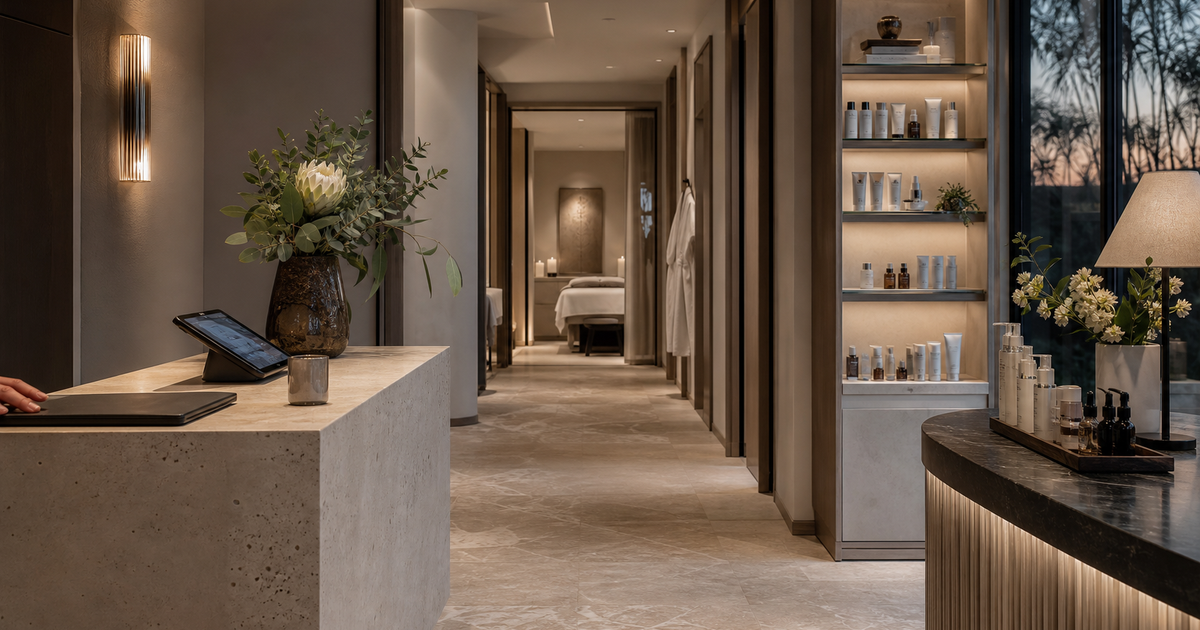
The clearest anchor in the cluster came from WWD’s report that Dr. Barbara Sturm has launched a new spa residency at Claridge’s in London. The signal matters because it puts a clinical-luxury skincare name inside one of hospitality’s best-known premium settings. That is not only a treatment-room story. It is a statement about where high-trust beauty is now being merchandised: inside environments already associated with service, privacy, and status.
A second signal came from TheIndustry.beauty, which reported that John Lewis is investing £50 million this year across five stores as part of a longer £800 million property transformation program. Even without narrowing that spend to beauty alone, the operator read-through is straightforward. Large retail groups still believe physical environment upgrades can improve category performance, dwell time, and conversion. Beauty benefits when retail does not look tired.
At the same time, Vogue’s coverage of Angelina Jolie’s blurred-lip look framed a softer, less severe beauty finish as a current summer cue. That kind of trend signal matters because it points to an easier adoption pathway. Consumers do not need a full routine reset to try a softer lip, a diffused complexion, or a less rigid finish. The barrier to trial is low, which gives retailers and service providers a more accessible story to merchandise.
The fourth useful input came from Purito Seoul’s announcement that Natalia Dyer is now aligned with the brand as it expands across North America and Europe. The release is brand-led, so it should be read cautiously, but it still contributes to the wider pattern: ingredient-forward K-beauty brands are still leaning on recognizable talent and straightforward skincare positioning as they scale outside Korea.
This is where the cluster becomes more useful than any single article. Beauty, spa and medspa operators should read these stories as evidence that demand is being built across three linked layers at once.
First, environment is doing commercial work again. Claridge’s is not just offering treatment capacity; it is packaging skincare authority inside a destination experience. John Lewis is not just replacing fixtures; it is continuing to invest in physical settings where discovery and reassurance can happen in person. If you run a spa, medspa, salon retail wall, or beauty floor, your setting is part of the offer. Lighting, merchandising cadence, consultation space, and service adjacency are not aesthetic extras. They shape whether high-consideration products feel worth trying.
Second, the winning message is relatively low-friction. Vogue’s blurred-beauty cue is important because it reinforces a softer, easier, less technical beauty language. Purito’s positioning does something similar from the skincare side by leaning into fundamentals and ingredient clarity. Operators should notice what is missing here: there is no need for a complicated routine narrative or an aggressive transformation promise. The appeal is that these categories can fit into daily behavior quickly.
Third, trust is being borrowed from adjacent institutions. Hotels, department stores, and known cultural figures are all functioning as demand bridges. That matters for smaller operators because it clarifies where to spend. You may not be able to build a Claridge’s-level setting, but you can design a tighter service environment, improve retail adjacencies, and select trend stories that feel immediately wearable or usable. You may not have a celebrity ambassador, but you can still use practitioner trust, founder visibility, or client-before-after education within compliant boundaries.
There is also a margin implication. Place-led demand can support better conversion without relying as heavily on discounting. When the room, shelf, consultation flow, and takeaway story are coherent, operators have more room to defend price, protect mix, and move clients from one-time purchase into repeated service-plus-retail behavior.
Watch whether more beauty brands move into hotel, club, and hospitality partnerships over the next quarter, especially in markets where premium treatment demand is already concentrated. If this becomes a broader pattern, spa operators should expect clients to compare local treatment environments with travel-grade ones.
Watch store-reinvestment stories for clues about which categories are still earning floor space. If beauty counters, treatment zones, or consultation services are highlighted alongside broader refurbishments, that is a stronger read than a generic capex headline.
Watch whether blurred-finish makeup and skincare-basic messaging produce more repeat mentions across editorial and retail coverage this summer. If they do, operators should adjust sampling, merchandising, and service scripts around ease, finish, and everyday use.
And watch whether K-beauty expansion stories keep pairing ingredient simplicity with recognizable talent. If yes, independent retailers and service businesses should prepare for continued client demand for entry-point Korean skincare rather than only novelty launches.
The practical takeaway is simple: beauty demand is being shaped through setting, softness and trust. Operators who tighten those three levers now will be better positioned than teams still waiting for a single hero launch to do the work.
Sources
The intelligence digest
SOCELLE Intelligence Desk analysis delivered quietly every Monday — the signals that moved, the market reads worth holding, the moves other operators are making.
Free. No spam. Unsubscribe anytime.