Cult Beauty, Smoov and Prime Day Point to Faster Beauty Demand
Jun 25, 2026/5 min read
A fresh consumer cluster shows beauty shoppers moving between wellness pop-ups, Prime Day discounts, celebrity-led skincare attention, DIY hair claims and routine troubleshooting.
Share this report
Send it to a colleague or save the link for later.
Beauty demand is moving across wellness activation, discount events, creator attention and routine troubleshooting at the same time.
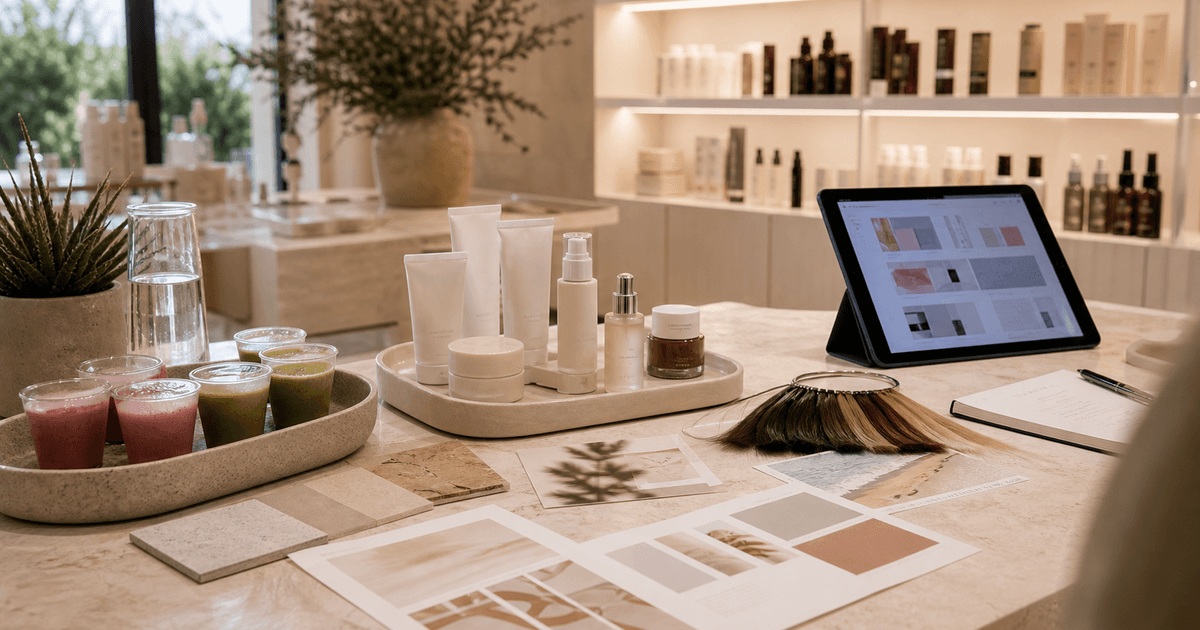
Beauty demand is moving through several channels at once: a Cult Beauty and Smoov summer wellness pop-up, Prime Day beauty deal coverage, celebrity-led K-beauty attention, DIY haircare claims and skincare routine troubleshooting all appeared in the same June 25 consumer-trend cluster. For operators, the signal is not one product. It is the speed at which shoppers now move between promotion, experience, creator proof and peer advice before they ask staff what to buy or book.
At the same time, beauty deal coverage is rising around Prime Day. ABC7's roundup framed the event around skincare, haircare, makeup and personal-care essentials, while Page Six highlighted a K-beauty sensitive-skin product tied to Olivia Culpo's routine. Those are different editorial lanes, but they point to the same consumer behavior: discovery is being pulled forward by discount timing and social recognition at the same time.
The cluster also included demand signals that sit closer to consultation than retail.
Related on SOCELLE
The live market connected to this report.
From the analysis into the live graph — the roles hiring now and the companies moving in Medspa, straight from the SOCELLE board.
01The current beauty consumer signal is fragmented across wellness activation, promotion, creator influence, DIY haircare and skincare troubleshooting.The cited cluster combines a Cult Beauty and Smoov pop-up, Prime Day beauty deal coverage, celebrity-led K-beauty attention, haircare claim comparisons and a skincare routine thread.
02That fragmentation pushes operators toward faster weekly planning loops.The same customer may discover beauty through a pop-up, a deal roundup, a celebrity product mention, a DIY claim or a peer forum before entering a store, spa or salon.
Continue from this signal
Connect the report to the market.
Use the topic, hiring, and company paths below to keep moving from the analysis into the public SOCELLE graph.
SOCELLE publishes market & industry information, not medical, clinical, or professional advice. Always consult a qualified professional before making health, treatment, or business decisions.
The intelligence digest
More reads like this, once a week
SOCELLE Intelligence Desk analysis delivered quietly every Monday — the signals that moved, the market reads worth holding, the moves other operators are making.
Free. No spam. Unsubscribe anytime. We use your details per our Privacy Policy and never sell them.
described bumpy, dehydrated-feeling skin after months of routine experimentation. Neither source should be read as a treatment directive. Together, they show why shoppers increasingly arrive with half-formed hypotheses from content before they ask a professional for help.
Why it matters for operators
This is the useful part for beauty retailers, salons, spas, medspas and brand teams. The cluster shows a consumer who is not moving through a neat funnel. She might meet a brand through a wellness pop-up, compare beauty deals online the same afternoon, notice a celebrity skincare mention, save a haircare hack and then ask a forum why her skin still feels uneven. By the time she reaches a store counter, stylist chair or treatment room, she has already built a mixed evidence file.
For beauty retail, the Cult Beauty and Smoov signal is a reminder that experiential discovery still has work to do, especially when shoppers are surrounded by discount events. A pop-up pairing can create context that a price drop cannot: texture, scent, service language, ingredient storytelling and a reason to linger. Operators should not copy the smoothie format blindly. The lesson is to design retail moments that make beauty feel connected to the customer's broader routine, then give staff a simple bridge from experience to product recommendation.
Prime Day coverage adds a different pressure. Even stores and spas that do not sell through Amazon still compete with the mental benchmark that deal events create. When shoppers see beauty essentials grouped under discount headlines, they may walk into local retail with sharper price expectations and more brand comparisons. The operator response is not a race to the bottom. It is cleaner merchandising: know which products are value anchors, which are service-supported, and which need education to justify price.
The celebrity K-beauty angle matters because sensitive-skin language travels fast. A known figure mentioning a gentle product can turn a niche or routine item into a same-week question at the counter. Staff should be ready to separate product popularity from client suitability without sounding dismissive. That means having neutral scripts for sensitive-skin shoppers: ask what they already use, what changed recently, and whether the goal is comfort, barrier support or visible texture improvement. This is market information, not clinical, legal or business advice.
Haircare and skincare chatter create the same operational issue from another side. DIY hair-growth comparisons can drive salon questions about rosemary oil, rice water or other kitchen-adjacent ideas. A bumpy-skin routine thread can drive spa and retail questions about exfoliation, hydration and retinoid-adjacent habits. Operators do not need to turn every social topic into a service. They do need a calm answer structure that respects consumer curiosity while keeping claims conservative and evidence-grounded.
The practical move is a weekly signal review. Pull three inputs: promotion headlines, experiential retail activations and high-friction consumer questions. Then translate them into three operator assets: a front-counter edit, a staff talking-point sheet and one service or retail add-on that genuinely fits the moment. For more live market context, track SOCELLE's broader [/intelligence](/intelligence) desk coverage.
What to watch
Watch whether beauty and wellness partnerships keep moving into food, beverage and lifestyle formats through July. Watch Prime Day beauty coverage for which categories get repeated: skincare basics, hair tools, makeup refills or personal-care bundles. Watch whether sensitive-skin and hair-growth questions keep clustering around social proof rather than professional assessment.
The next useful signal will not be a single winning product. It will be whether operators can convert this fragmented attention into clearer recommendations, tighter merchandising and better consultation discipline before the shopper moves on to the next content cue.