Custom beauty pricing needs proof before new tools
AI-assisted briefJun 20, 2026/4 min read
Cited sources: 2 · Updated Aug 2, 2026
Fresh nail-service praise and medspa software questions point to the same operator issue: premium pricing only holds when proof, booking flow, and follow-up are disciplined.
Share this report
Send it to a colleague or save the link for later.
This is the public read. The company intelligence brief goes further.
The public compatibility offer for the $299 Company tearsheet in Report Studio. Wider market, product, talent, and custom questions use the typed report catalog.
$299
one report
One-company operating brief with the decision question and next actions
Company, hiring, and published market context where evidence exists
Source notes, caveats, and a plain-method note for major claims
Private report delivery through the owner-scoped workflow
Scope is confirmed and sources are reviewed before anything is charged.
Custom beauty pricing is moving toward proof: clients reward distinctive, personal work, but operators still need to show where demand converts before they raise prices or add another tool.
What happened
Two fresh operator-adjacent signals point to the same pricing problem from different sides of the room.
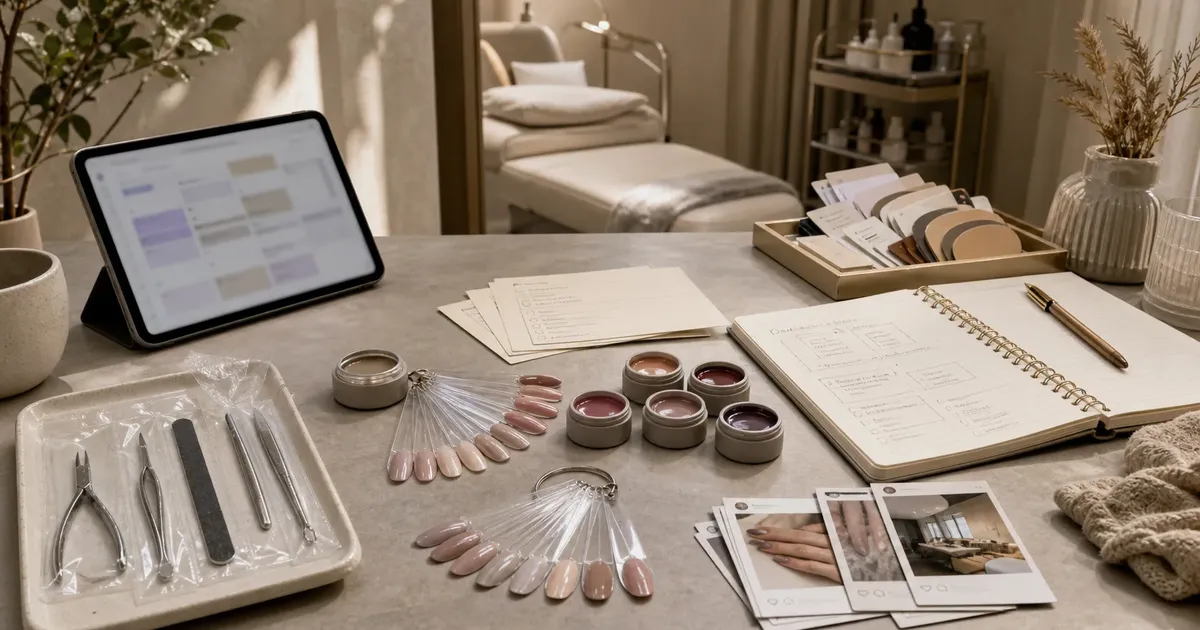
In nail services, a client post in Reddit's r/Nails described bringing inspiration into an appointment and leaving with what the client called the "coolest nails" they had ever had. The business signal is not the phrase itself. It is the workflow behind it: a client gathered references, a technician translated them into a finished custom result, and the outcome was strong enough for public praise.
In r/MedSpa, a practice operator asked whether Ageless AI was worth buying for lead conversion. The operator said the practice gets plenty of inquiries through its website and social channels, but many do not book. That is a different vertical, but the same commercial pressure: before the business spends more, it needs to know whether the leak is demand quality, response speed, consultation fit, pricing confidence, or follow-up discipline.
Taken together, the cluster is less about one nail look or one vendor question. It is about a more mature beauty market in which clients want highly specific results, and operators need better evidence before deciding what deserves premium pricing.
Why it matters for operators
For salons, custom work is not automatically a premium service. It becomes premium when the business can repeat the process that made the result feel personal. That means intake, reference capture, technician matching, time allocation, add-on boundaries, and final documentation matter as much as the artistry. If the team cannot explain why one custom set takes longer, requires more senior labor, or uses a more complex finish, the price increase feels arbitrary to the client and inconsistent to the staff.
Evidence and answers
Structured for quick review.
Key claims
01A fresh nail-service post described a client bringing inspiration into an appointment and reacting strongly to the final custom result.
02A medspa operator questioned whether another lead-conversion platform was worth buying when many existing inquiries were not becoming bookings.
Continue from this signal
Connect the report to the market.
Use the topic, hiring, and company paths below to keep moving from the analysis into the public SOCELLE graph.
Prepared with AI assistance by the SOCELLE Intelligence Desk from the publications cited in this report.
SOCELLE publishes market & industry information, not medical, clinical, or professional advice. Always consult a qualified professional before making health, treatment, or business decisions.
Bruce Tyndall— Analyst of Record. 13+ years in beauty and wellness marketing leadership — Estée Lauder, Wella, Kevin Murphy, Naturopathica. Principal Consultant. LinkedIn.
The intelligence digest
More reads like this, once a week
SOCELLE Intelligence Desk analysis delivered quietly every Monday — the signals that moved, the market reads worth holding, the moves other operators are making.
Free. No spam. Unsubscribe anytime. We use your details per our Privacy Policy and never sell them.
A nail operator should treat inspiration-led demand as a service-design signal. Save examples of what clients bring in. Note which looks require specialty gels, chrome, hand painting, sculpting, repair, or extra consultation time. Track whether the client books the same tier again, posts the result, refers a friend, or downgrades next visit. That is the difference between guessing that custom work is popular and knowing which custom work carries margin.
For medspas, the lead-conversion question is even sharper because the monthly software cost can hide the original operational issue. If a practice already receives inquiries but half do not book, a new conversion layer might help, but it might also automate a weak intake path. Operators should first map the inquiry journey: source, first response time, unanswered questions, price objection, provider availability, consult type, deposit friction, and follow-up cadence.
The most useful question is not whether a tool is modern. It is whether the practice has a baseline. How many inquiries came from the website versus social? How many received a same-day reply? How many were asked for a consultation goal before pricing was discussed? How many had a documented follow-up? Without that baseline, the operator cannot tell whether a vendor improved conversion or simply gave the team another dashboard to manage.
The shared lesson for salons, spas, and medspas is that premium pricing now needs operational proof. A beautiful result can justify higher pricing only when the business can show what created that result. A conversion platform can justify cost only when the operator knows where bookings are being lost. Both decisions depend on internal evidence, not trend excitement.
This also affects staff management. If custom nail work is driving demand, technicians need protected appointment times, reference review, and a clear menu ladder. If medspa inquiries are stalling, front desk and consult teams need scripts, response standards, and manager review before the business blames the channel. Pricing is rarely a single number problem. It is usually a process visibility problem.
Operators should also be careful about public proof. Client praise is useful, but it should not become a promise that every appointment can replicate every reference. The safer commercial posture is to define consultation tiers, document realistic substitutions, and keep before-and-after or portfolio use consented and controlled. This is market information, not clinical, legal, or business advice.
What to watch
Watch three signals over the next 30 days.
– Whether salons separate custom design tiers more clearly from standard gel, builder, or maintenance appointments.
– Whether medspas start auditing inquiry-to-booking loss before buying new conversion software.
– Whether client posts keep emphasizing reference-based personalization rather than only product names or colors.
The next pricing advantage will go to operators who can connect client desire to a repeatable service path, then price the path instead of the vague idea of premium.