SOCELLE Intelligence Desk
Facial-scan tools and lower-carbon fit-outs shape clinic planning
From the intelligence desk
Read the wireSOCELLE Intelligence Desk
Facial-scan tools and lower-carbon fit-outs shape clinic planning

SOCELLE Intelligence Desk
Filler Risk and Fragmented Discovery Are Reshaping Aesthetics Attention
SOCELLE Intelligence Desk
Vogue Pedicures and Prime Day Skincare Point to a Visible-Routine Summer
SOCELLE Intelligence Desk
Wellness Sprawl Forces Beauty Operators to Sharpen Proof
A facial-scan boom reaching premium skincare outlets and a new sugarcane-based interior material both point to the same operator shift: clinics are competing through smarter assessment and more intentional environments.
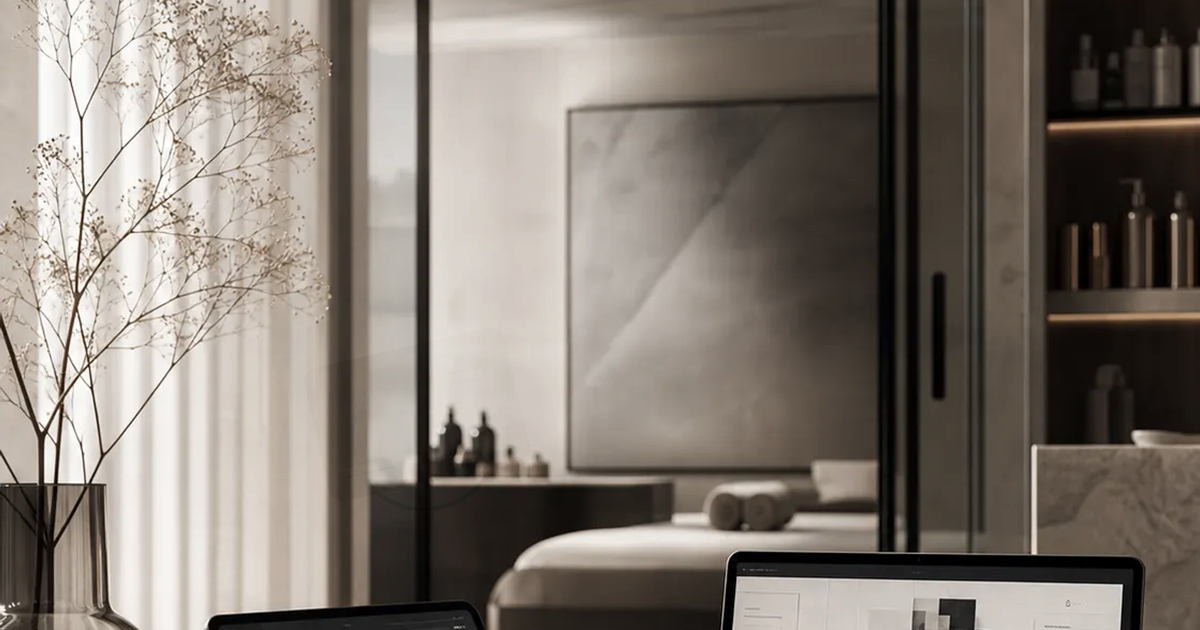
Premium clinic differentiation is moving into two places at once: the assessment ritual and the room itself. In this signal cluster, one source tracked the facial-scan boom reaching premium dermatology and celebrity skincare outlets, while another examined Sugarcrete acoustic and thermal panels made from sugarcane bagasse for lower-carbon interiors. Read together, the message for SOCELLE Intelligence is straightforward: beauty, medspa, and aesthetics operators should stop treating diagnostic technology and space design as separate conversations. Clients increasingly experience them as one trust signal.
The first source, India Today, framed selfie-based health monitoring as part of a wider facial-scan boom and explicitly pointed readers toward premium dermatology and celebrity skincare outlets as places where this kind of technology is gaining visibility. Even without extending beyond the article's framing, that matters for aesthetics operators because facial analysis has been drifting from back-office assessment into a more client-facing commercial role. When scan-led tools show up in premium skincare contexts, they become part of how a clinic stages expertise.
The second source, ArchDaily, looked at Sugarcrete panels developed with the University of East London and the Bagaceira Project. The article described bagasse, the fibrous residue left after sugarcane processing, being turned into acoustic and thermal panels and other building components for interiors. It also noted tests around acoustic performance, thermal conductivity, and fire safety, and described the material as free of synthetic resins and volatile organic compounds. This is architecture coverage, not beauty trade press, but it intersects with wellness and aesthetics operations because treatment environments are increasingly judged on calm, privacy, sustainability cues, and material credibility as much as on furniture and lighting.
These are not the same story. One is about the front-end diagnostic experience; the other is about the physical shell around that experience. But both belong to the same operator brief: premium service environments are becoming measurable and more legible to the client.
This is where the cluster becomes useful. Beauty and medspa operators are under pressure to make expertise visible without crossing into exaggerated claims, and to make premium environments feel differentiated without relying on generic luxury signals alone. The two member sources point to a practical answer: use better assessment rituals and better room logic.
First, facial-scan tools can change consultation flow. A scan interface, even a simple one, can help structure intake, track visible concerns over time, and make a consultation feel more evidence-led. That does not mean a selfie becomes a diagnosis. It means operators have another way to guide conversations around texture, tone, hydration appearance, redness, or treatment planning in a format clients immediately understand. In premium clinics, the device itself can become part of the service theater, but only if the interpretation stays disciplined and credible.
Second, room performance is now part of brand performance. Acoustic and thermal materials matter in treatment settings because privacy, noise control, and physical comfort affect whether a room feels expensive, calm, and trustworthy. Aesthetics and medspa clients are unusually sensitive to atmosphere. If the room echoes, overheats, or reads as visually generic, the service can feel less premium regardless of the protocol. That gives operators a reason to watch new material systems that offer both performance and a cleaner sustainability story.
Third, sustainability is becoming spatial rather than purely packaging-led. Many beauty businesses already talk about refill systems, ingredient sourcing, or shipping. The ArchDaily piece suggests the next layer may be in the build-out itself: walls, panels, partitions, and finish materials that support comfort while carrying a lower-carbon narrative. For operators planning new locations or remodels, that matters because the fit-out can start doing commercial work. It can support storytelling, procurement choices, and staff pride, provided the materials are durable and operationally practical.
Fourth, technology and interiors should be planned together. A clinic that adds a facial-scan tool but leaves the consultation environment noisy, cluttered, or visually thin is only solving half the problem. The reverse is also true. A beautiful room without a disciplined intake and assessment flow risks feeling decorative rather than expert. The premium opportunity sits in the combination: clearer assessment, calmer surroundings, better explanation, stronger documentation, and more memorable trust cues.
There is also a caution here. Operators should not overstate what a scan can do, and they should not buy into material novelty without asking about maintenance, cleaning, longevity, and installation realities. The commercial upside comes from disciplined implementation, not gadget collecting or sustainability theater.
Watch for more beauty and dermatology operators introducing facial-analysis tools into consultation rooms, retail counters, or membership journeys over the next quarter. If that expands beyond hero marketing and into repeatable intake workflows, it will signal that scan-led assessment is becoming a normal part of premium service design.
Watch lower-carbon interior materials for movement from architecture media into wellness, clinic, and hospitality procurement conversations. The moment these materials start appearing in treatment-room case studies, spa renovations, or premium skincare retail fit-outs, they become operationally relevant rather than merely interesting.
Watch the best operators for integration. The stronger businesses will likely be the ones that pair technology, room acoustics, visual calm, and sustainable material choices into one coherent experience rather than treating each as a separate upgrade.
The larger shift is not that clinics need more gadgets or more design language. Premium beauty environments are being judged as systems, with assessment, materials, atmosphere, and credibility moving together.
Sources
The intelligence digest
SOCELLE Intelligence Desk analysis delivered quietly every Monday — the signals that moved, the market reads worth holding, the moves other operators are making.
Free. No spam. Unsubscribe anytime.