This is the public read. The company intelligence brief goes further.
The public compatibility offer for the $299 Company tearsheet in Report Studio. Wider market, product, talent, and custom questions use the typed report catalog.
$299
one report
One-company operating brief with the decision question and next actions
Company, hiring, and published market context where evidence exists
Source notes, caveats, and a plain-method note for major claims
Private report delivery through the owner-scoped workflow
Scope is confirmed and sources are reviewed before anything is charged.
K-beauty SPF is moving from a seasonal sunscreen item into a retail-operations signal because shoppers, trade-show buyers and ingredient watchers are all circling texture, finish and claim language at the same time.
What happened
The latest SOCELLE pulse tied together five fresh ingredient-momentum signals. The consumer side came through The Sun (https://www.thesun.co.uk/fabulous/39814675/viral-korean-round-lab-birch-juice-spf-slashed/), which covered a Round Lab Birch Juice Moisturising Sun Cream sale and emphasized the product's light gel texture, lack of white cast and makeup-friendly finish. The same article also pointed to Beauty of Joseon's Relief Sun Aqua-Fresh as a related reduced K-beauty SPF item.
A second consumer signal came from HuffPost (https://www.huffpost.com/entry/retinol-firming-cream-amazon-sale_l_6a5e2f5ee4b0ab756517edd9), where a retinol-and-collagen moisturizer was framed through comparison language around Botox. That does not make the product a treatment substitute. It does show how quickly shoppers and commerce desks compress ingredient stories into outcome shorthand that staff may later have to unwind.
The trade side came through three WWD signals from Cosmoprof North America and Korean ingredient-search coverage. WWD's Cosmoprof trend report (https://wwd.com/beauty-industry-news/beauty-features/cosmoprof-north-america-2026-beauty-trends-1239068730/) identified smarter SPF, fragrance, K-beauty and clinically backed products among the show's growth drivers. A separate launch roundup (https://wwd.com/beauty-industry-news/beauty-features/beauty-launches-cosmoprof-north-america-las-vegas-2026-1239068243/) called out scalp SPF, red-light skin care and K-beauty-inspired first aid as standout product directions. A third WWD ingredient report (https://wwd.com/beauty-industry-news/beauty-features/pdrn-korea-azulene-beauty-skin-care-ingredient-trends-1239069353/) said PDRN and skin-soothing azulene were among the top Korean beauty ingredients by search growth, using Naver data from Spate.
Taken together, this is not one sunscreen story. It is a signal that SPF, barrier language, anti-aging shorthand and K-beauty ingredient momentum are being merchandised into the same consumer decision stream.
Related on SOCELLE
The live market connected to this report.
From the analysis into the live market — the roles hiring now and the companies active in Skincare, straight from the SOCELLE board.
01The pulse links consumer SPF deal coverage with trade-show launch reporting and Korean ingredient-search data.Sources: The Sun and WWD, July 20-21, 2026.
02The operator issue is retail education and claims discipline, not clinical guidance.Sources: HuffPost and WWD, July 20-21, 2026.
Continue from this signal
Connect the report to the market.
Use the topic, hiring, and company paths below to keep moving from the analysis into the public SOCELLE graph.
SOCELLE Intelligence Desk analysis delivered quietly every Monday — the signals that moved, the market reads worth holding, the moves other operators are making.
Free. No spam. Unsubscribe anytime. We use your details per our Privacy Policy and never sell them.
Why it matters for operators
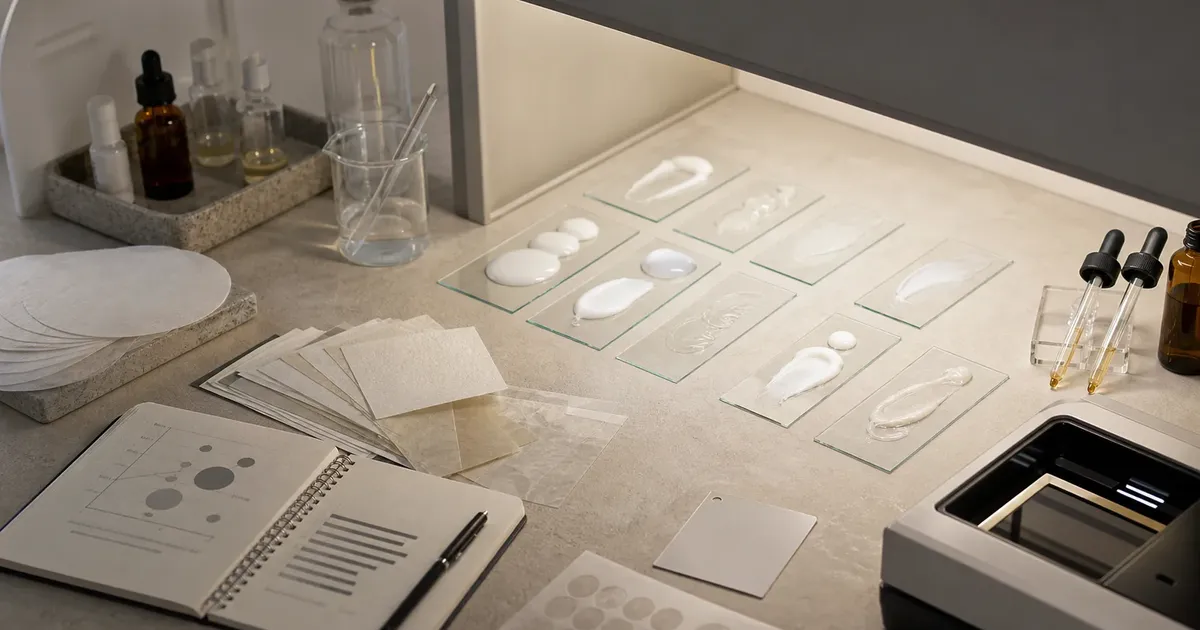
For beauty retailers, the first issue is shelf architecture. SPF used to be easy to route by season, protection level or price. The newer K-beauty signal is more tactile: gel feel, satin finish, no white cast, makeup compatibility, barrier support and daily wear. That changes how the product should sit on the shelf. A customer comparing a Round Lab-style sunscreen with a Beauty of Joseon-style sunscreen may not be asking only which has SPF50. They may be asking which one behaves like skin care, which one sits under makeup and which one will not feel greasy during a commute.
That pushes the merchandising job closer to staff education. If every sunscreen is presented as the same summer add-on, operators lose the chance to explain why texture and finish matter. If the team overreaches into clinical or treatment language, the risk moves in the other direction. SOCELLE's read is that the winning script sits between those two errors: practical, sensory and disciplined.
For spas, medspas and facial bars, the implication is narrower but still useful. SPF retail recommendations should stay inside product education and routine support. Teams can talk about texture, finish, reapplication context, makeup compatibility and how a client might keep sunscreen visible in the daily routine. They should not turn a K-beauty sunscreen into a medical claim or use commerce language as evidence of clinical performance. This is market information, not clinical, legal or business advice.
For brand and buying teams, Cosmoprof adds a second pressure point: ingredient trends are becoming faster and more layered. SPF is showing up beside scalp care, red-light-adjacent skin care, first-aid positioning, PDRN and azulene search momentum. That makes line review harder. Buyers need to know whether an item earns a new shelf story, belongs in an existing barrier-care section, or needs to wait until staff can explain it clearly.
This is also a pricing issue. Deal coverage can create trial, but repeated discount framing teaches shoppers to wait. A stronger retail plan separates the value of the format from the value of the markdown. Texture testers, simple comparison cards, staff notes and replenishment prompts can do more for margin than another undifferentiated sale bin.
Operators should watch three execution details:
– Texture proof: Can staff show the difference between gel, cream, serum and cushion-style SPF without relying on brand hype?
– Ingredient boundaries: Can the team explain PDRN, azulene, retinol, collagen and barrier language without promising outcomes the source does not support?
– Shelf routing: Does SPF live only in sun care, or does it connect to makeup prep, barrier support, post-service routine education and travel-size replenishment?
Those details matter because the consumer is not seeing tidy categories. The shopper is seeing SPF, anti-aging moisturizer, K-beauty, makeup primer, treatment-adjacent language and sale pricing in one feed.
What to watch
The next useful signal is not another viral sunscreen post. It is whether retailers convert this interest into better merchandising and staff training before fall buying resets. Watch for SPF products that move into scalp care, makeup prep or barrier sections. Watch whether PDRN and azulene remain search stories or become clearer retail education prompts. Watch whether Cosmoprof launches arrive with claims support that store teams can actually use.
For SOCELLE operators, the immediate move is simple: audit the SPF shelf, test the staff script, and separate sensory proof from efficacy claims. The category is getting more interesting, but the operator work is still practical. The report stack on /intelligence (/intelligence) should keep treating ingredient momentum as a source-planning input, not a shortcut around evidence.
Prepared with AI assistance by the SOCELLE Intelligence Desk from the publications cited in this report.
SOCELLE publishes market & industry information, not medical, clinical, or professional advice. Always consult a qualified professional before making health, treatment, or business decisions.
Bruce Tyndall— Analyst of Record. 13+ years in beauty and wellness marketing leadership — Estée Lauder, Wella, Kevin Murphy, Naturopathica. Principal Consultant. LinkedIn.