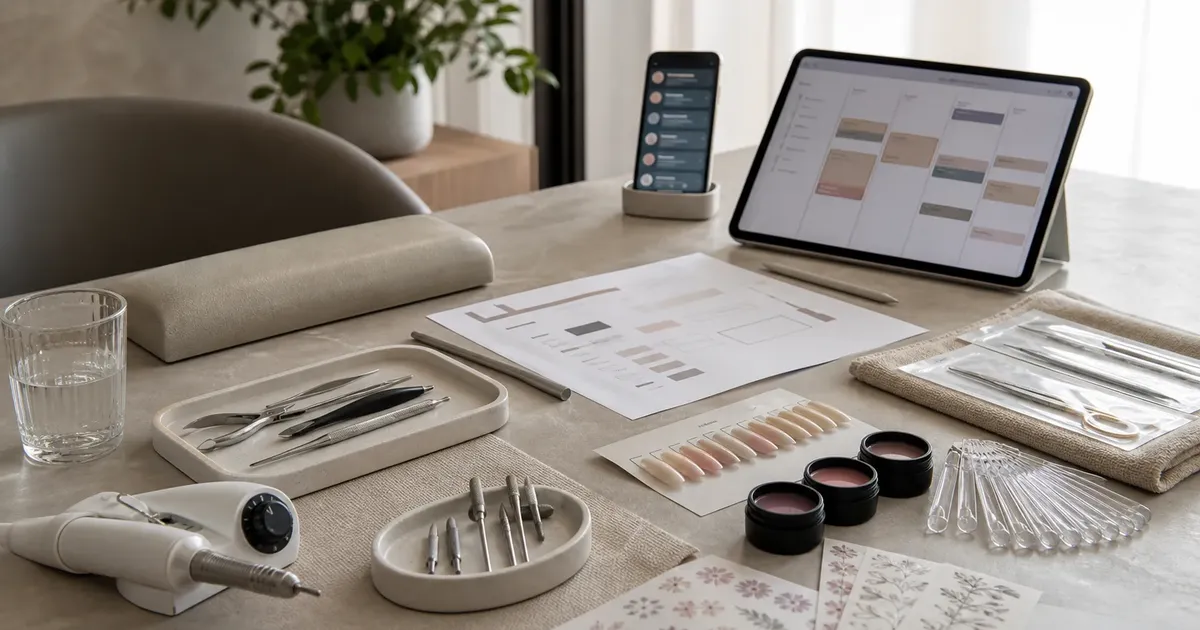
Nail Clients Are Asking for Control Before the Service Starts
AI-assisted briefJun 22, 2026/4 min read
Cited sources: 5 · Updated Aug 2, 2026
A fresh cluster of nail and medspa consumer threads points to a practical operator issue: clients want clearer consent, fit checks, and aftercare boundaries.
Share this report
Send it to a colleague or save the link for later.
This is the public read. The company intelligence brief goes further.
The public compatibility offer for the $299 Company tearsheet in Report Studio. Wider market, product, talent, and custom questions use the typed report catalog.
$299
one report
One-company operating brief with the decision question and next actions
Company, hiring, and published market context where evidence exists
Source notes, caveats, and a plain-method note for major claims
Private report delivery through the owner-scoped workflow
Scope is confirmed and sources are reviewed before anything is charged.
A fresh set of nail and medspa consumer posts points to the same operator issue: clients are asking for more control before the service starts, not only judging the finished result afterward.
What happened
Across five fresh consumer signals, the common thread is not one product or one salon technique. It is the client trying to set boundaries around the appointment.
One nail client asked whether a MANIpro Passport Next drill could run below speed 5, turning a tool-setting question into a comfort and training signal for salons that use e-files. Another described receiving a result that did not match the requested natural nail length, then deciding not to return to that salon. A third asked how to stop a manicure from including cuticle cutting after previous appointments left the surrounding skin damaged for weeks. A fourth showed summer floral nail wrap stickers, a smaller but still useful signal that low-commitment design changes remain part of the nail client’s decision set. A separate medspa thread asked for provider recommendations in the DMV area, showing the same trust behavior in a higher-stakes service category.
Taken together, the cluster is not saying clients suddenly dislike salon services. It is saying they want the service to honor the brief: tool intensity, natural length, cuticle boundaries, design preference, and provider fit.
Why it matters for operators
For salon owners and medspa leaders, the practical point is that consultation quality is becoming part of the product. The technical work still matters, but the client is also measuring whether the provider listened, documented constraints, and checked comfort before the appointment moved too far to correct.
Start with e-file use. A client asking about the lowest speed setting is not only troubleshooting a device. In a salon context, it can become a confidence issue: does the technician explain what the tool is doing, why a setting is appropriate, and how the client should signal discomfort? Operators should not leave that explanation to a Reddit thread after the appointment. A short pre-service script can cover tool type, sensation, heat, pressure, and the client’s right to pause.
Related on SOCELLE
The live market connected to this report.
From the analysis into the live market — the roles hiring now and the companies active in Medspa, straight from the SOCELLE board.
SOCELLE Intelligence Desk analysis delivered quietly every Monday — the signals that moved, the market reads worth holding, the moves other operators are making.
Free. No spam. Unsubscribe anytime. We use your details per our Privacy Policy and never sell them.
Cuticle work deserves the same structure. Many nail services treat cuticle cleanup as routine, but the consumer signal here is specific: the client had tried to ask for the area to be left alone and felt the request was overridden. That is a retention problem before it is a technique debate. A salon can protect both the client and the technician by turning cuticle preference into a visible intake choice: minimal tidy, no cutting, or technician recommendation with client confirmation. The important part is that the client sees the boundary captured before the service begins.
Length and shape also need tighter confirmation. The post about requested natural length versus the final result is a reminder that reference images are not enough. Natural length, false tips, lifestyle constraints, contact lens use, typing, work with hands, and event timing should be confirmed in plain language. If the client says they do not want additional length, the provider should repeat that back and show the plan before product is applied.
The floral nail wrap signal is lighter, but it still belongs in the same read. Wraps and seasonal sticker designs give clients a way to test a look without committing to a heavier enhancement. For operators, that can support menu design: express design add-ons, seasonal wrap boards, and consult language that separates decorative choice from structural product decisions.
The medspa referral question widens the lesson. In aesthetics, the client may not have a single obvious way to judge provider quality before booking. They look for recommendations, local reputation, and signs that the practice will be clear about fit. Medspas should assume the same pre-commitment scrutiny applies to consults, consent materials, before-service expectations, and follow-up pathways. This is market information, not clinical, legal, or business advice, but it is a clear signal about how trust is being formed.
The operator move is not to add more paperwork for its own sake. It is to make the first five minutes of service more explicit. Good intake can be compact: service goal, non-negotiables, sensitivity notes, tool comfort, length and shape confirmation, design reference, aftercare expectations, and what happens if the client changes their mind mid-service. When those points are handled verbally and visually, fewer clients have to reconstruct the appointment later in public forums.
What to watch
Watch whether nail clients keep posting about boundaries around cuticle work, e-file settings, and unwanted length. If those topics stay visible through the next two weeks, salons should treat them as training prompts, not isolated complaints.
Also watch how providers respond publicly. The strongest operators will not argue with consumer anxiety. They will show clearer consultation steps, explain comfort checks, and make corrective policies visible without promising results they cannot control.
Finally, monitor whether medspa recommendation threads become more specific: provider credentials, consult process, pricing transparency, and follow-up. That would confirm the same trust pattern is moving from salon services into broader aesthetics decision-making.
For now, the cluster points to a simple operating rule: before the service begins, clients want the brief repeated back to them in a way they can recognize.
Prepared with AI assistance by the SOCELLE Intelligence Desk from the publications cited in this report.
SOCELLE publishes market & industry information, not medical, clinical, or professional advice. Always consult a qualified professional before making health, treatment, or business decisions.
Bruce Tyndall— Analyst of Record. 13+ years in beauty and wellness marketing leadership — Estée Lauder, Wella, Kevin Murphy, Naturopathica. Principal Consultant. LinkedIn.