Ulta and Fashion Fair Put Beauty Channel Discipline Back in Focus
AI-assisted briefAug 18, 2026/4 min read
Cited sources: 4 · Updated Aug 18, 2026
A fresh beauty-retail cluster shows why distribution is no longer a vanity milestone: operators need proof, education, and channel fit before wider placement.
Share this report
Send it to a colleague or save the link for later.
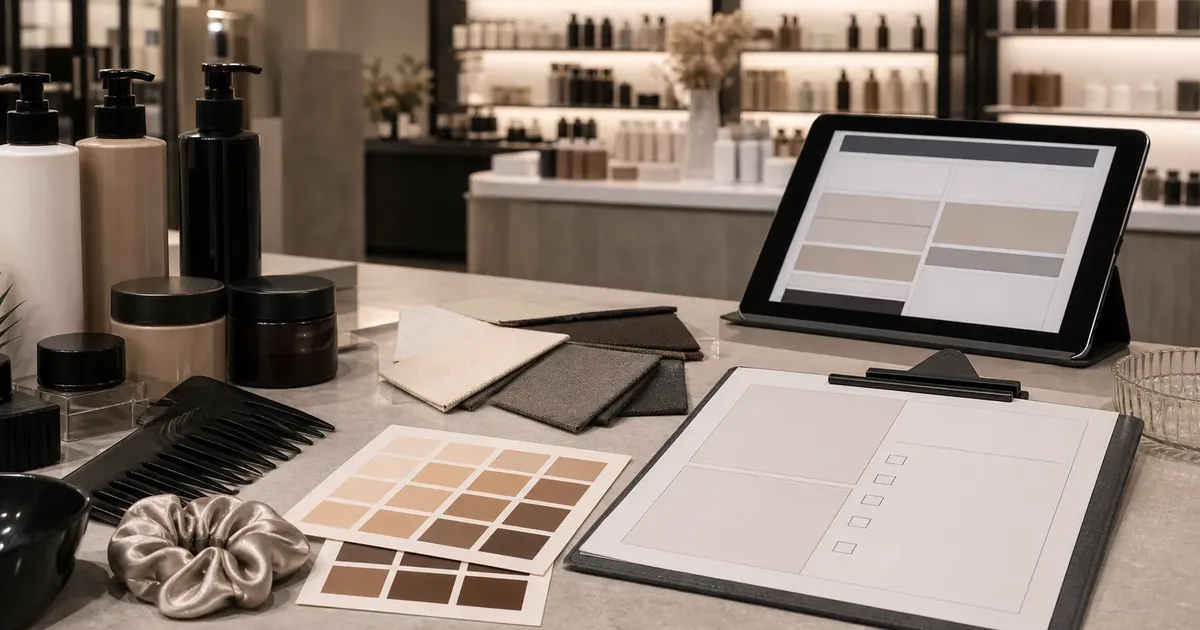
SOCELLE visualizes channel discipline as the operating layer between retail placement, consultation demand, and brand readiness.
Free-tier report
This is the public read. The company report goes further.
A focused $299 report on one company or organization. Broader market, product, talent, and custom questions use the report options below.
$299
one report
One-company operating brief with the decision question and next actions
Company, hiring, and published market context where evidence exists
Source notes, caveats, and a plain-method note for major claims
Private report delivery through the owner-scoped workflow
No account needed — pay securely and SOCELLE will email you to collect the brief.
Beauty distribution is becoming an operating test, not just a brand milestone, as new signals from Ulta Beauty, Fashion Fair, executive hiring, and peptide consultations all point toward the same demand for proof before scale.
What happened
Beauty Independent reported that Ulta Beauty added The Potion Studio to its textured haircare roster. The brand launched on Ulta's website on August 9 and was reported to be rolling out to 460 stores by August 23, building on existing distribution that includes 25 Nordstrom stores. That is a meaningful channel move because textured haircare is not a passive shelf decision. It requires assortment logic, education, replenishment discipline, and enough merchandising clarity for shoppers who already know the difference between a broad claim and a product that fits their actual routine.
Another Beauty Independent report described Fashion Fair after its Sephora exit, framing the brand as playing a longer game after former Johnson Publishing executives Desiree Rogers and Cheryl Mayberry McKissack acquired it out of bankruptcy in 2019. That story matters because Fashion Fair carries cultural equity, complexion authority, and heritage expectations that cannot be measured only by whether a prestige retailer carried the line at a given moment.
WWD's executive-moves report added another layer: Ulta has tapped a food and beverage industry alum to advance its technology capabilities, while Kosas and other beauty companies are making leadership changes. At the same time,
Related on SOCELLE
The live market connected to this report.
From the analysis into the live market — the roles hiring now and the companies active in Retail, straight from the SOCELLE board.
01Beauty distribution is becoming an operating test.The cluster connects retail placement, retailer exits, executive capability moves, and professional consultation demand rather than one isolated launch.
02Channel fit matters more than channel prestige.Fashion Fair's reported exit from Sephora and longer-game positioning show that placement alone does not prove durable demand.
03Education is now part of distribution readiness.Textured haircare placement and peptide curiosity both require clearer staff and professional language at the point of decision.
SOCELLE Intelligence Desk analysis delivered quietly every Monday — the signals that moved, the market reads worth holding, the moves other operators are making.
Free. No spam. Unsubscribe anytime. We use your details per our Privacy Policy and never sell them.
rising public interest in peptides and the professional responsibility to help clients understand new aesthetic developments without overpromising.
Taken together, this is not a single retail story. It is a channel-readiness story.
Why it matters for operators
For beauty brands, a retailer listing is no longer enough evidence that the market is ready. Ulta, Sephora, Nordstrom, specialty ecommerce, professional accounts, and direct channels each test a different operating muscle. A brand may win discovery online but fail at store-level education. It may earn prestige placement but miss replenishment targets. It may have founder heat but lack the merchandising tools needed for a high-traffic associate to explain the line in one minute.
The Potion Studio signal is especially useful because textured haircare punishes generic retail execution. Shoppers often arrive with specific curl patterns, porosity concerns, styling histories, ingredient preferences, and price thresholds. A shelf set that treats textured haircare as a diversity checkbox will underperform against a shelf set that is built around regimen clarity, staff fluency, and replenishment by use case. Operators should be asking whether product pages, store signage, associate talking points, and sampling all tell the same story.
Fashion Fair's reported longer-game stance raises a different operator question: when should a brand leave or deprioritize a channel that looks strong from the outside? Prestige doors can create legitimacy, but they can also expose mismatch. If the shopper journey needs more education, deeper complexion matching, community trust, or founder-led explanation than a given channel can support, the better commercial move may be a slower route with tighter control. That is not retreat if the brand learns which accounts produce repeat customers rather than brief visibility.
For retailers, the cluster points to a more demanding buying standard. Adding brands is easy to announce. Building durable category value requires evidence of who the shopper is, what trade-up behavior is expected, how associates should frame the product, what content answers the first objection, and how the retailer will know whether the line is creating incremental value instead of shifting spend from a nearby product.
For salon, spa, and aesthetic operators, the peptide signal belongs in the same operating frame. Consumer curiosity can increase consultation volume, but it also raises compliance risk. Professionals need language that explains what is known, what is outside scope, and when a client should speak with a qualified medical professional. This is market information, not clinical, legal, or business advice. The commercial opportunity is not to chase every ingredient trend; it is to build a clear consultation pathway that protects trust while capturing demand.
The WWD executive signal matters because channel discipline increasingly depends on systems. Retailers and brands need cleaner data around inventory, education, digital discovery, loyalty behavior, and store performance. Leadership moves tied to technology capability are not back-office noise. They are part of how a retailer decides which brands deserve more space, which launches need more support, and which categories have enough evidence to expand.
The practical operator takeaway is simple: treat distribution as a proof stack. Before celebrating a door count, map the shopper question, the staff answer, the claims boundary, the replenishment plan, and the retention signal. If one layer is missing, more placement may only make the weakness visible faster.
What to watch
Whether The Potion Studio's reported Ulta rollout reaches the stated August 23 store target and how the brand supports shoppers beyond launch-week awareness.
Whether Fashion Fair names a more controlled channel mix after Sephora and shows evidence of repeat demand in that mix.
Whether Ulta's technology leadership moves translate into better launch measurement, associate support, or assortment decisions.
Whether peptide interest leads salons, spas, and aesthetic practices to tighten consultation scripts rather than drift into unsupported claims.
SOCELLE will keep watching whether retail distribution stories come with operating proof, because the beauty market is rewarding brands and retailers that can explain not only where a product is sold, but why that channel can make it work.
Prepared with AI assistance by the SOCELLE Intelligence Desk from the publications cited in this report.
SOCELLE publishes market & industry information, not medical, clinical, or professional advice. Always consult a qualified professional before making health, treatment, or business decisions.
Bruce Tyndall— Analyst of Record. 13+ years in beauty and wellness marketing leadership — Estée Lauder, Wella, Kevin Murphy, Naturopathica. Principal Consultant. LinkedIn.