Chargebacks and Device Buys Put Esthetician Proof Systems on Notice
Fresh operator threads show the same risk from two angles: service records and device claims now need tighter proof before revenue is protected.
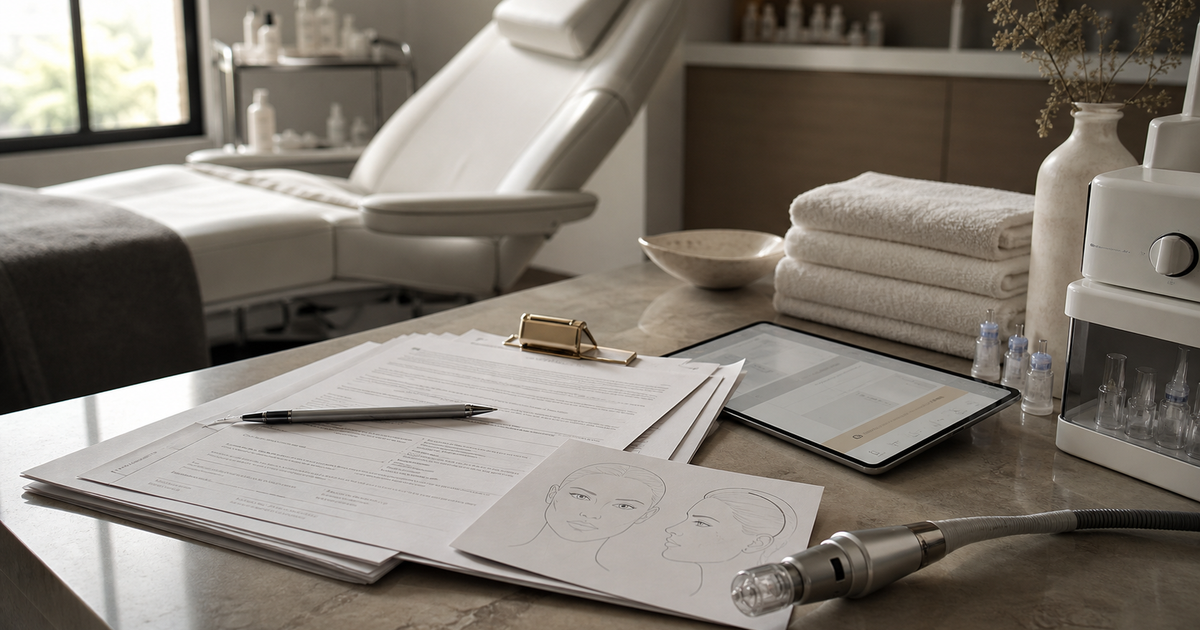
Esthetics operators are being asked to prove more: that a client received the service, that a device is worth adding, and that their reputation can withstand a dispute before it becomes a revenue leak.
What happened
A solo esthetician on r/Esthetics described a fraudulent-chargeback claim after a microdermabrasion appointment, saying the client had received the full service and that the provider was compiling a signed consultation card, treatment notes, a completed Booksy appointment record, and the digital booking confirmation trail for the chargeback team.
A separate r/Esthetics thread asked whether an oxygen facial device and treatment pods made sense as a first equipment purchase. The operator had experience with a C2O2 facial protocol from Circadia, but had not used an oxygen-machine treatment on clients and was weighing portability, consumables, and whether the device fit real service demand.
The third signal came from outside the treatment room but points at the same operating issue. Infinite announced the acquisition of Greentarget UK, positioning the deal around international communications and reputation management capacity for professional services. That is a larger-market version of the same pressure smaller operators feel: proof, communications, and defensible records are now business infrastructure.
Why it matters for operators
For salons, spas, and medspas, the chargeback thread is not just a payment problem. It is a documentation design problem. The operator in the thread had the kind of evidence many small providers do not assemble until after trouble starts: signed intake, session notes, booking-platform status, matching contact details, and confirmation history. Those records do not guarantee an outcome with a processor or bank, and this is market information, not legal or business advice. But they give the operator a coherent file instead of a memory of what happened.
That matters because beauty services are often intimate, subjective, and time-based. A client may dispute whether they authorized a card, received the treatment, liked the result, understood the cancellation policy, or expected a different protocol. The operator cannot control every dispute path. The operator can control whether each appointment leaves behind a structured proof trail.
SOCELLE publishes market & industry information, not medical, clinical, or professional advice. Always consult a qualified professional before making health, treatment, or business decisions.
The intelligence digest
More reads like this, once a week
SOCELLE Intelligence Desk analysis delivered quietly every Monday — the signals that moved, the market reads worth holding, the moves other operators are making.
Free. No spam. Unsubscribe anytime.