Fragrance Shoppers Are Asking Retail to Make Scent Trust Visible
Jun 21, 2026/4 min read
Three live fragrance discussions point to the same operator issue: discovery, authenticity, and memory now need clearer retail systems.
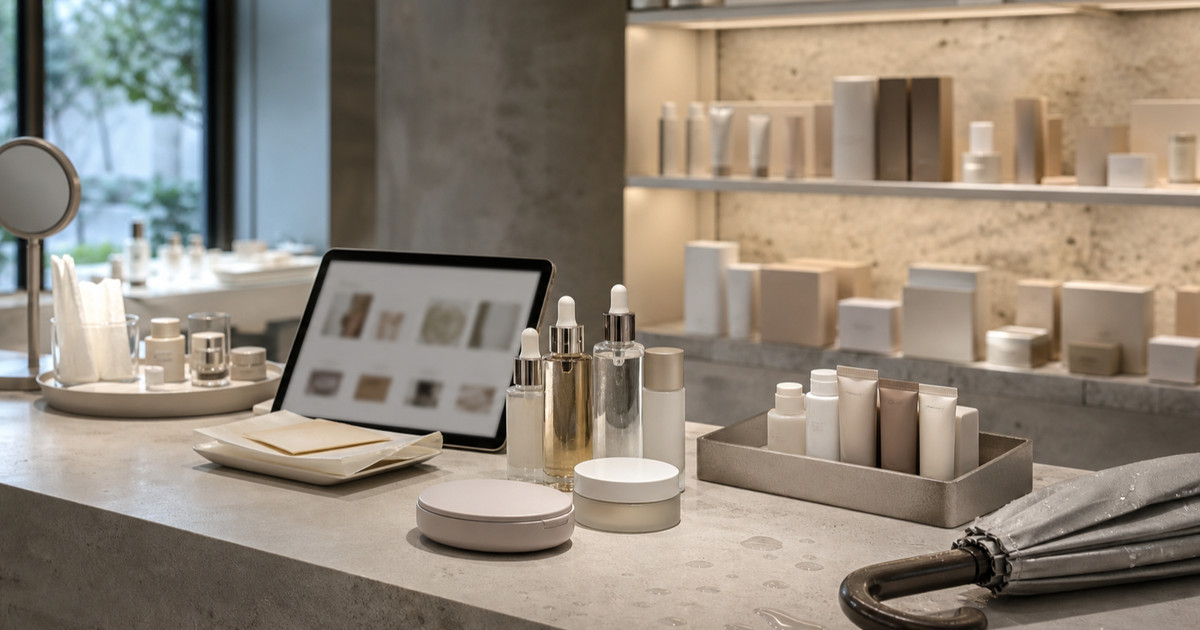
SOCELLE visualizes fragrance discovery as an operating problem: sampling, memory, and authenticity at the counter.
Fragrance shoppers are using social forums to solve problems that retail teams should be designing for: where to discover local scent houses, how to judge authenticity outside official channels, and how to recover the name of a perfume after a store visit.
What happened
Three fresh fragrance discussions point in the same direction. In one, a shopper traveling to Bologna asked whether the city had a local perfume scene comparable to the French and British houses they already knew. The question was not simply where to buy fragrance; it was how to find a credible local scent memory while moving through a city.
A second discussion focused on Louis Vuitton fragrance resale. The post warned readers away from buying bottles through eBay or Facebook and framed counterfeit concern as a recurring community problem. SOCELLE is treating that as a consumer-signal post, not a verified counterfeit-rate claim. The operator signal is still clear: luxury fragrance shoppers are anxious enough about provenance to seek peer checks before or after purchase.
A third shopper had visited Hermes Paris Sevres, sampled a Hermessence perfume, and later could not identify it with confidence. They remembered the bottle detail, a brown leather cap, and a citrus-IPA or grapefruit-like opening impression, but not the name. That is a familiar retail failure point: the product experience happened, but the record of the experience did not travel with the shopper.
Taken together, the cluster is not just about fragrance preference. It is about trust infrastructure around scent discovery.
Why it matters for operators
Fragrance is one of beauty retail's most tactile categories, but much of the post-visit decision path is still fragile. A shopper may test five scents, leave with blotters in a bag, compare notes later, search social forums, and then buy from the channel that feels easiest or most credible. If the store did not create a memorable record, the shopper's next step may happen somewhere else.
SOCELLE publishes market & industry information, not medical, clinical, or professional advice. Always consult a qualified professional before making health, treatment, or business decisions.
The intelligence digest
More reads like this, once a week
SOCELLE Intelligence Desk analysis delivered quietly every Monday — the signals that moved, the market reads worth holding, the moves other operators are making.
Free. No spam. Unsubscribe anytime.
For fragrance boutiques, department-store counters, spas with scent retail, and beauty retailers adding fragrance edits, the first lesson is that discovery needs a service layer. Travel shoppers are not only looking for products. They are looking for curation: local houses, regional context, staff judgment, and a way to understand why one scent belongs to that place. A Bologna visitor asking Reddit for guidance is a missed handoff for any retailer, hotel concierge, boutique, or local brand that could make regional fragrance discovery legible before the visit.
The second lesson is provenance. Resale platforms may sit outside a brand's direct control, but the anxiety they create comes back into the official retail channel. Staff do not need to police the internet. They do need clear language for authenticity cues, refill or engraving policies, batch and packaging expectations where appropriate, and what the brand can and cannot verify. A quiet authenticity card, post-purchase care note, or FAQ at the counter can be more useful than making the shopper feel embarrassed for asking.
The third lesson is scent memory. Fragrance retail often assumes the bottle, the strip, or the receipt is enough. It is not. Scent is difficult to describe, and shoppers frequently remember mood, color, cap, first note, or occasion before they remember the name. Stores can reduce loss by offering a simple sample card with the scent name, family, date, staff initials, and two or three non-medical descriptors. A blank tablet note or clienteling entry can serve the same function when consent is clear.
This is also a merchandising issue. If shoppers think in travel, authenticity, and memory, displays should not only be arranged by brand wall. They can be arranged by use case: local discovery, official exclusives, gifting, refillable formats, evening scents, citrus openings, soft woods, or salon and spa retail pairings. The point is not to over-explain scent. It is to give the client a path back to the product.
For independents, the opportunity is especially practical. A small fragrance retailer can compete with scale by being easier to trust and easier to remember. That means disciplined sampling, source education, a clean follow-up path, and staff notes that make the client feel seen without becoming intrusive.
What to watch
Whether travel-driven fragrance discovery becomes a stronger retail content lane for local boutiques and hotels.
Whether luxury fragrance brands make resale-authenticity education more visible without encouraging off-channel buying.
Whether retailers start recording scent trials in clienteling systems with the same care they give skincare consultations.
Whether social forums keep functioning as the back office for fragrance questions that stores could answer first.
The next operator advantage in fragrance may not come from carrying more bottles. It may come from making discovery, authenticity, and recall easier to trust.