Glossier and THG Point to Beauty's Margin Discipline
Jun 24, 2026/4 min read
A pricing cluster around Glossier, THG, service anxiety and physical environment design shows beauty operators where margin is moving: owned channels, clearer proof and tighter experience.
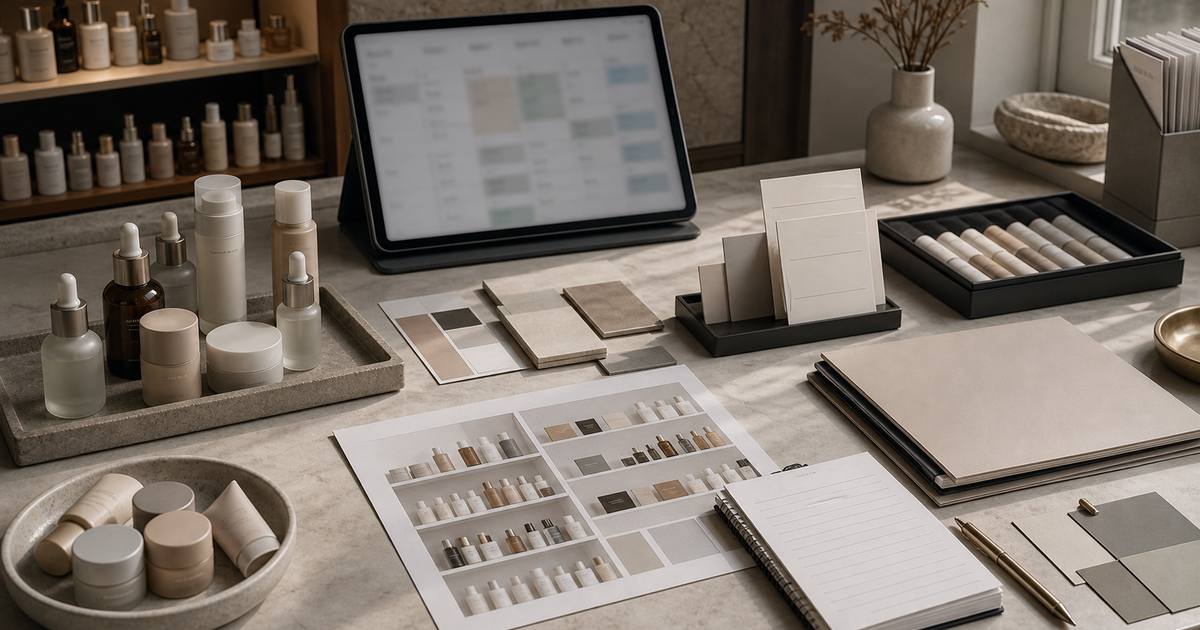
SOCELLE Intelligence Desk generated a photoreal editorial image for this report.
A June 24 pricing cluster points to a beauty market where margin is being protected less by simple price increases and more by owned-channel discipline, clearer proof and better customer experience design.
What happened
Four fresh signals landed in the same pricing cluster, and the useful read is not that they tell one tidy story. It is that they show the pressure points beauty operators are managing at the same time.
MarTech360 framed Glossier's growth story around email, community and retention rather than pure paid-media dependence. The piece argues that the brand's email system works because it connects editorial discovery, list capture, segmentation and post-purchase education.
TheIndustry.beauty reported that THG reaffirmed its full-year outlook with skincare supporting beauty growth. That matters because THG's beauty portfolio includes high-volume ecommerce surfaces such as Lookfantastic and Cult Beauty, where assortment, loyalty and price architecture are central operating questions.
A Reddit r/PlasticSurgery post added the service-side signal: a young consumer thinking about saving for facial rejuvenation procedures because they feel they look older than their age. SOCELLE is not treating that as clinical guidance. The operator signal is emotional and commercial: price anxiety, body-image pressure and procedure interest can arrive together long before a formal consultation.
SOCELLE publishes market & industry information, not medical, clinical, or professional advice. Always consult a qualified professional before making health, treatment, or business decisions.
The intelligence digest
More reads like this, once a week
SOCELLE Intelligence Desk analysis delivered quietly every Monday — the signals that moved, the market reads worth holding, the moves other operators are making.
Free. No spam. Unsubscribe anytime.
The outlier, a restaurant interior design guide, still belongs in the operator read because it makes the environment point clearly. The article argues that lighting, color, seating density and flow shape how guests behave and what they believe an experience is worth. Beauty retail, salons, spas and medspas have the same problem in a different room.
Why it matters for operators
For beauty brands, the Glossier signal is the most direct margin lesson. Paid acquisition remains useful, but it is an expensive place to build the whole business. Email, membership and lifecycle messaging matter because they give the operator more control over repeat behavior. The issue is not sending more campaigns. The issue is whether the customer relationship has a real sequence: discovery, preference capture, education, replenishment timing, product fit and return path.
That discipline changes discounting. If a brand only knows how to activate demand through markdowns, price becomes the main reason to pay attention. If the brand can explain routine, usage, replenishment and access through owned channels, price can sit inside a larger value story. Operators should audit their retention flows with that question in mind: does every message teach the customer why the next purchase makes sense, or does it simply ask for another transaction?
For retailers and ecommerce operators, THG's skincare-supported outlook reinforces that skincare is still a traffic and basket anchor, but it is not automatically forgiving. A crowded skincare shelf needs sharper ladders. Customers should be able to see why one serum, moisturizer or treatment step belongs at entry, mid or premium level. If the price ladder is unclear, the customer either trades down without confidence or buys nothing because the shelf feels repetitive.
For medspa and salon operators, the Reddit signal is a reminder that price sensitivity is rarely just a budget objection. It is often tied to fear, self-perception, uncertainty about outcomes and a search for reassurance. A young person considering facial rejuvenation is not a cue for aggressive conversion. It is a cue for strong boundaries, candidacy screening, non-clinical education and clear referral pathways when concerns sit outside a cosmetic service lane. This is market information, not clinical, legal or business advice.
That has commercial consequences. Consultations should make the price feel accountable to process: assessment, contraindication screening where appropriate, realistic expectations, aftercare, follow-up and documentation. When the customer understands what the fee includes besides the treatment itself, price becomes less isolated. When the consult skips that structure, price feels arbitrary.
The environment signal matters because customers judge value before anyone explains it. A treatment room, retail counter or salon station does not need to be extravagant, but it does need to feel intentional. Lighting, noise, cleanliness, product organization, consultation privacy and the quality of printed or digital materials all participate in pricing. Operators selling premium services in visually careless rooms are asking customers to trust a price point that the environment is quietly undermining.
The combined read for [SOCELLE Intelligence](/intelligence) readers is straightforward: margin discipline is now a cross-functional job. Marketing cannot solve it alone. Merchandising, consultation design, owned-channel retention, space planning and staff language all need to make the same argument about value.
What to watch
Watch whether beauty brands keep moving retention language from campaign calendars into operating systems: membership, replenishment, education and product-matching flows.
Watch THG and other large beauty retailers for signs that skincare growth is being supported by loyalty, assortment edits and clearer price tiers rather than only category momentum.
Watch service-side consumer chatter for younger clients discussing expensive aesthetic procedures before formal consults. Operators should treat that as a screening and education signal, not a promotional opening.
Watch physical experience cues. If more operators invest in quieter consult spaces, better-lit retail counters and clearer service menus, price credibility is becoming an experience-design problem as much as a marketing one.
The near-term operator move is not to copy Glossier or THG. It is to make price easier to believe. That means fewer blunt discounts, stronger proof, better owned-channel follow-up and rooms that support the value the menu is asking customers to accept.