Scalp, Repair and Sun Care Reframe Beauty Retail This Week
Jun 23, 2026/4 min read
Fresh beauty coverage points to a practical demand shift: clients want comfort-led hair, skin, wellness and sun care choices that operators can explain clearly.
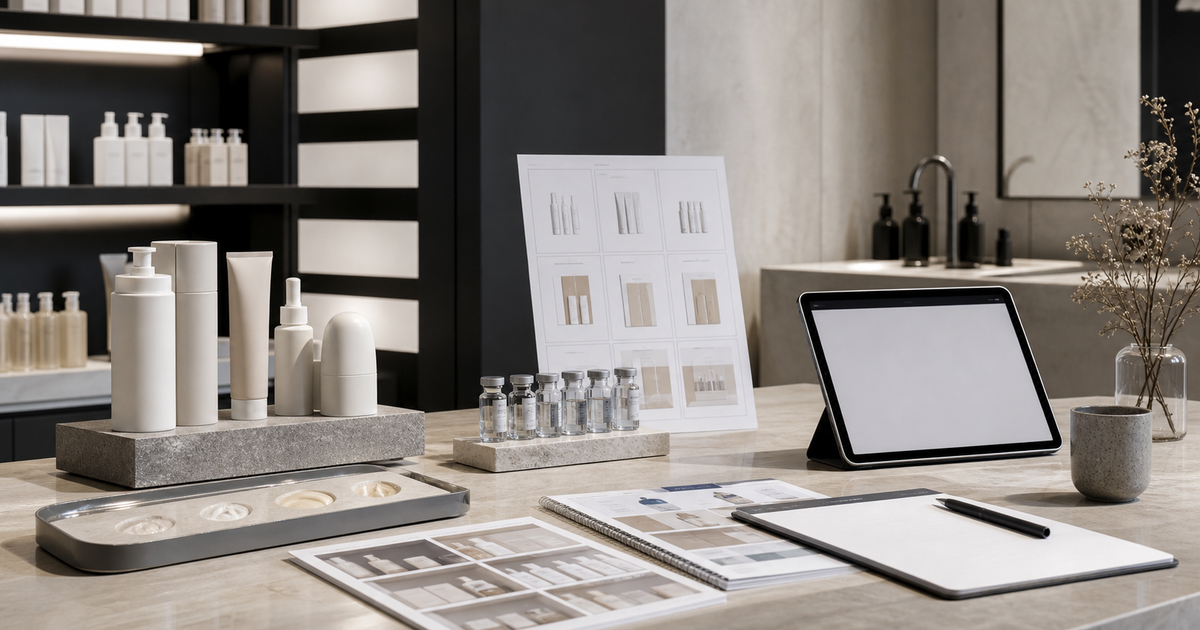
SOCELLE Intelligence Desk generated a photoreal editorial image for this report.
Beauty coverage this morning is clustering around comfort-led routines: dry scalp care, bond-care hair products, mature beauty edits, wellness activations and sun-care education are all telling operators that clients want more specific guidance at the counter and in the chair.
What happened
The top pulse is not one narrow launch story. It is a pattern across several sources that all point toward beauty demand becoming more practical and more condition-specific.
Beauty Insider Singapore led with a dry scalp guide built around the local stress of humidity, air conditioning and daily routine changes. Vogue covered Epres bond repair as a pre-shampoo hair-care product in a Prime Day context. Allure's mature beauty sale edit grouped skin care, makeup and hair care around dryness, dullness and thinning-hair concerns, while a separate Vogue Prime Day piece showed editors shopping across fashion and beauty during the June 23-26 event.
The service and retail picture widened beyond product lists. TheIndustry.beauty reported that Sephora UK is partnering with Sanctum to bring headphone-led wellness sessions into four stores, loyalty programming and a London wellness festival. Global Cosmetics News reported that La Roche-Posay has been named the exclusive suncare supplier for The Championships, Wimbledon, with sampling and skin-health education attached to the partnership.
Read together, the signal is clear: beauty demand is being organized around comfort, repair language, mature-client specificity, in-store wellness moments and sun-care education. That does not mean every salon, spa or retailer needs a new category wall by Friday. It does mean the old generic beauty edit is losing usefulness.
Why it matters for operators
For beauty retailers, salons, spas and medspa-adjacent teams, the commercial point is not that one product category is suddenly dominant. The point is that clients are entering beauty decisions through practical discomforts and routines: a scalp that feels dry, hair that feels stressed after color or heat styling, makeup that sits differently on mature skin, a sun-care choice at a public event, or a wellness service that makes a store feel less transactional.
SOCELLE publishes market & industry information, not medical, clinical, or professional advice. Always consult a qualified professional before making health, treatment, or business decisions.
The intelligence digest
More reads like this, once a week
SOCELLE Intelligence Desk analysis delivered quietly every Monday — the signals that moved, the market reads worth holding, the moves other operators are making.
Free. No spam. Unsubscribe anytime.
That changes how teams should merchandise and explain the floor. Scalp care should not sit as an orphan shelf beside shampoo if staff cannot explain when a client is asking for scalp comfort versus styling finish. Bond-care products should be positioned as a routine category with clear usage expectations and salon-service context, not as a miracle claim. Mature beauty edits should be translated into better shade, texture, hydration and hair-density conversations, not hidden inside a seasonal sale table.
The operator opportunity is staff language. A retail associate does not need to diagnose a scalp concern to ask better intake questions: Is the client describing seasonal dryness, air-conditioned workdays, product buildup, post-color sensitivity or styling fatigue? A stylist does not need to promise hair restoration to explain the difference between a cosmetic bond-care routine, a mask, a leave-in and a professional service plan. A spa or medspa front desk does not need to turn wellness into vague claims; it can describe the session format, the environment, the guest expectation and the next appointment pathway.
Sephora UK's Sanctum move matters because it places wellness inside the store experience and loyalty system. That is a different operating model from simply selling a wellness-adjacent product. It requires staff scheduling, customer flow, event briefing, sound management, queue expectations and post-session conversion planning. For smaller operators, the lesson is not to copy a headphone meditation activation. The lesson is to make every experiential add-on operationally legible: what happens, who leads it, how long it lasts, what it connects to, and how the client continues afterward.
La Roche-Posay's Wimbledon role carries a similar lesson for sun care. Sun-care education becomes more persuasive when it is attached to a real context, such as outdoor attendance, sport, travel, resort retail or patio season. Beauty retailers and service operators can use that framing without borrowing the event itself. The better merchandising prompt is, "Where will the client be using this?" rather than "Which sun-care item is on promotion?"
Prime Day coverage adds another pressure point. When editors are curating beauty deals across hair, skin and mature-client needs, operators are competing with a fast, comparison-heavy shopping environment. Stores and salons cannot win by pretending online markdowns do not exist. They can win by making decisions easier: edit the assortment, identify who each item is for, train staff on three plain-language use cases, and avoid overclaiming.
For medspa-adjacent and professional beauty teams, this is also a compliance moment. Words like repair, dry scalp, mature skin and skin health can drift quickly into medical or efficacy territory. The safer posture is to report what brands, publishers and event partners are doing, then translate the market signal into retail, consultation and merchandising decisions. This is market information, not clinical, legal, or business advice.
What to watch
Whether scalp-care content continues to separate scalp comfort from general shampoo and styling coverage.
Whether bond-care products keep gaining placement in sale edits and salon-adjacent routines.
Whether mature beauty edits become more segmented by texture, shade, hydration and hair-density needs.
Whether wellness partnerships move from one-off events into loyalty programming and repeat store visits.
Whether sun-care education keeps attaching to outdoor events, hospitality, travel and sport contexts.
The next useful operator move is a floor audit. If a client asks for scalp comfort, bond care, mature-skin makeup, event sun care or a wellness add-on today, the team should know where to take them, what to say, what not to promise, and how to turn that conversation into a repeatable service or retail path.