SOCELLE Intelligence Desk
Cult Beauty and Charlotte Tilbury signal a more tactical seasonal beauty basket
From the intelligence desk
Read the wireSOCELLE Intelligence Desk
Cult Beauty and Charlotte Tilbury signal a more tactical seasonal beauty basket
SOCELLE Intelligence Desk
Summer beauty demand is tilting toward affordable scent and vivid color

SOCELLE Intelligence Desk
Bio-Based Ingredient Growth Meets Acne-Evidence Pressure
SOCELLE Intelligence Desk
Hanwha, Rheinmetall, and the Knicks Signal a Harder Attention Market
A four-story consumer cluster points to a clear summer pattern: accessible fragrance, bright nail color, and fashion-adjacent beauty drops are pulling attention in ways operators can merchandise now.
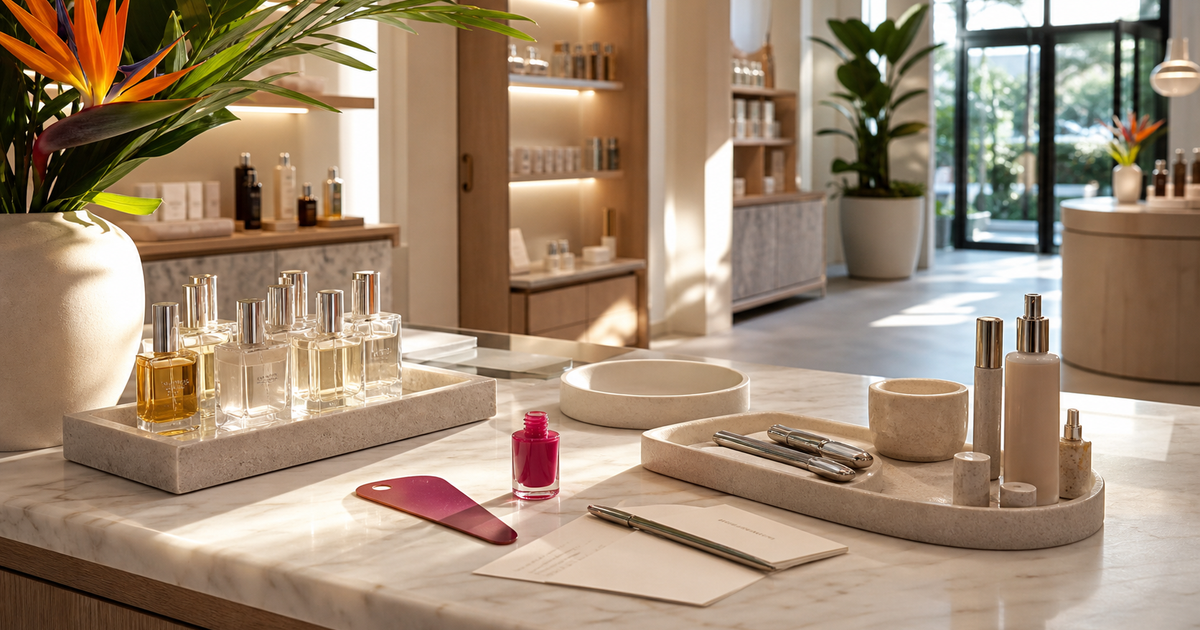
A fresh SOCELLE consumer cluster suggests summer beauty demand is moving toward accessible fragrance, high-visibility color, and culturally driven launches that operators can act on without waiting for a full seasonal reset. In the underlying source set, Cosmopolitan tracked a $30 Zara perfume built around passionfruit, Cosmopolitan also highlighted fuchsia nails as a summer color story, WWD reported that Ruslan Baginskiy is entering fragrance, and Refinery29's May best-seller roundup pointed to beauty-led deal shopping and Olive Young's US arrival as part of the attention mix. Taken together, the pattern is less about one breakout product and more about how consumers are discovering beauty right now.
The cluster points to a summer demand mix with three visible traits. First, fragrance is showing up as an impulse-friendly category, especially when the story is easy to understand and the price barrier stays low. Cosmopolitan's framing around a passionfruit-led Zara perfume matters because it packages fragrance as seasonal mood, not as luxury connoisseurship.
Second, color is working in a similarly immediate way. The separate Cosmopolitan signal on fuchsia nails suggests that shoppers are responding to high-recognition, low-explanation beauty choices. Nail color stories travel well across salon menus, social content, and front-of-house retail because the visual idea is obvious in a second.
The intelligence digest
SOCELLE Intelligence Desk analysis delivered quietly every Monday — the signals that moved, the market reads worth holding, the moves other operators are making.
Free. No spam. Unsubscribe anytime.
Third, beauty discovery is still being shaped by adjacent culture. WWD's report on Ruslan Baginskiy's first perfume shows fashion identity continuing to flow into fragrance. Refinery29's best-seller roundup adds a retail behavior layer: consumers are still responding to deal energy, retailer curation, and new points of access such as Olive Young's arrival in the US. That does not mean every operator should chase every viral item. It does mean attention is moving through story, affordability, and recognizability at the same time.
This is the main operator lesson: demand is not only concentrating around efficacy claims or premiumization. It is also concentrating around products and services that are easy to try, easy to gift, easy to post, and easy to explain from the counter in one sentence.
For beauty retail, that makes fragrance sampling, discovery sets, and trend-led tables more relevant than a static prestige wall. If a shopper is entering through an affordable scent story, the commercial question is what sits beside it. A smart basket does not stop at fragrance. It extends into body care, hand care, travel sizes, and a color item that echoes the same seasonal mood.
For salons, nail bars, and medspa-adjacent boutiques, the fuchsia signal is a reminder that not every profitable summer move needs complex education. Seasonal service edits can work when they are legible. A bright color story can anchor a mini menu, a reception display, a social shoot, and a retail recommendation without introducing clinical risk or technical confusion.
For brand operators, the Ruslan Baginskiy launch is a cue to keep watching cross-category narrative design. Consumers still reward beauty when it feels tied to a broader aesthetic world. That is useful for independent brands deciding how to position a summer drop, a limited set, or a retail event. Story architecture matters, but it needs commercial accessibility underneath it.
The cluster also suggests a pacing point. Operators do not need a full assortment rewrite to respond. They need sharper editing. Build one scent-led moment, one color-led moment, and one culturally anchored story line, then measure attachment rate, service add-ons, and repeat questions from clients. In other words, use SOCELLE Intelligence to translate attention into merchandising discipline rather than trend panic.
The practical read for now is straightforward: summer beauty demand looks increasingly responsive to low-friction fragrance, visually obvious color, and culturally framed launches, and operators who package those cues into clear retail and service moments should have a better chance of turning attention into spend.
Sources